Geely SUV Powertrain Options: How to Match Different Models with Overseas Market Needs
5 min readThe global SUV market is becoming increasingly diverse. While traditional gasoline vehicles remain widely used, hybrid and electric powertrains are attracting growing attention in markets where fuel efficiency, environmental regulations, and energy costs are influencing purchasing decisions.
For international vehicle importers, choosing a Geely SUV is therefore not simply a matter of comparing exterior design or equipment levels. Understanding different powertrain technologies and evaluating their suitability for local driving conditions can help distributors build a more competitive vehicle lineup.
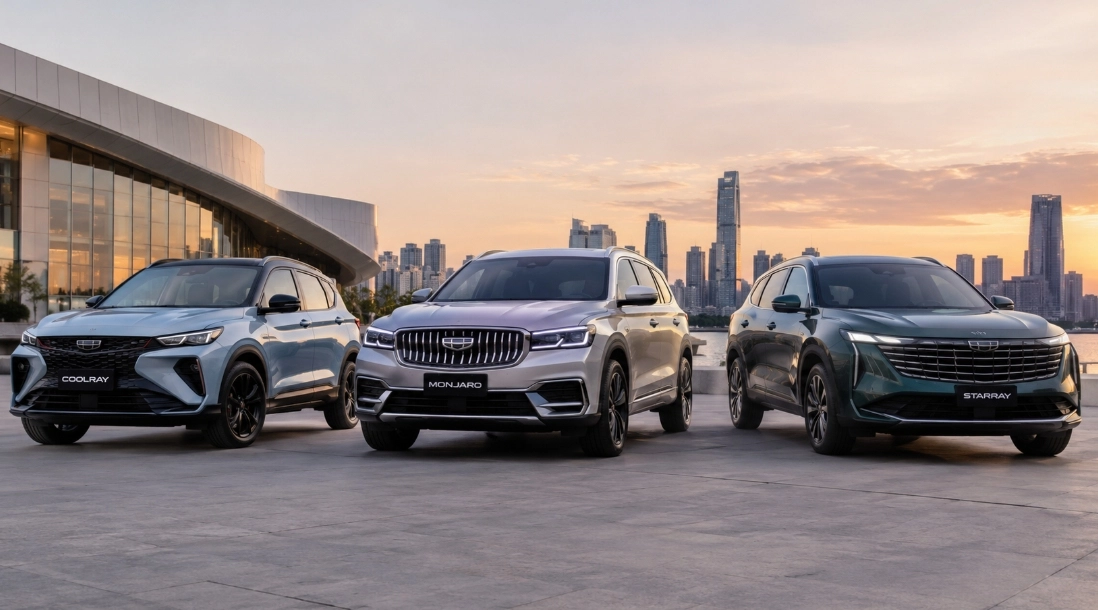
1. Gasoline SUVs: A Practical Option for Established Markets
Gasoline-powered SUVs continue to play an important role in many international markets. Their established refueling infrastructure, familiar maintenance procedures, and flexibility for different driving environments make them a practical choice for a wide range of customers.
For buyers who frequently travel between cities, drive long distances, or operate in regions with limited electric vehicle infrastructure, gasoline SUVs can offer greater convenience.
When evaluating a gasoline-powered Geely SUV, importers should consider several factors:
-
Engine performance under local driving conditions
-
Fuel consumption in urban and highway environments
-
Transmission characteristics and driving comfort
-
Local fuel quality and recommended specifications
-
Availability of maintenance services and replacement parts
Fuel economy should not be evaluated using laboratory figures alone. Actual consumption can vary depending on traffic congestion, temperature, vehicle load, road conditions, and driving habits.
2. Hybrid SUVs: Balancing Fuel Efficiency and Driving Flexibility
Hybrid SUVs combine an internal combustion engine with an electric motor and battery system. Depending on the technology used, the electric motor can support acceleration, improve energy efficiency, and reduce fuel consumption under certain driving conditions.
For urban customers who regularly experience traffic congestion, hybrid vehicles may provide practical advantages. Their ability to recover energy during deceleration and use electric assistance can improve efficiency in stop-and-go driving.
However, hybrid systems differ in their operating principles. Conventional hybrids generally recharge their batteries through the engine and regenerative braking, while plug-in hybrids can also be charged externally.
This distinction is important for overseas buyers. A plug-in hybrid may be more attractive in a market where home or workplace charging is accessible. In areas with limited charging facilities, buyers may prefer a conventional hybrid or gasoline-powered alternative.
Importers should therefore confirm the exact powertrain technology and charging requirements of each Geely model before making purchasing decisions.
3. Electric SUVs: Evaluating Charging Infrastructure and Daily Usage
Electric SUVs offer a different ownership experience by relying on battery-powered electric motors instead of conventional combustion engines.
Their suitability in overseas markets depends heavily on local infrastructure and customer usage patterns. Cities with expanding public charging networks and accessible residential charging facilities may provide a more favorable environment for electric SUV adoption.
However, buyers should evaluate more than the advertised driving range.
Important considerations include:
-
Battery capacity and vehicle energy consumption
-
Charging speed and connector compatibility
-
Availability of public and private charging stations
-
Battery thermal management
-
Driving range under local temperature conditions
-
Access to qualified maintenance and repair services
High temperatures, frequent high-speed driving, and heavy vehicle loads can influence energy consumption. In colder climates, battery performance and cabin heating requirements may also affect practical driving range.
For international distributors, understanding these factors helps determine whether an electric SUV is suitable for the intended customer base.
4. Match Powertrain Choices with Local Driving Scenarios
Different powertrains serve different customer requirements. Rather than promoting one technology as suitable for every market, distributors should examine how vehicles will actually be used.
For example, customers in large cities with accessible charging infrastructure may show stronger interest in electric or plug-in hybrid SUVs. Buyers in regions with extensive highway networks and limited charging facilities may continue to prefer gasoline models.
Fleet operators also have different priorities from private consumers. They may focus more heavily on predictable operating costs, vehicle utilization rates, maintenance arrangements, and energy availability.
When planning a Geely SUV lineup, distributors should assess:
-
Urban versus long-distance driving demand
-
Average daily driving distances
-
Local fuel and electricity prices
-
Charging infrastructure development
-
Customer purchasing preferences
-
Import regulations and applicable emissions requirements
These factors provide a more reliable basis for powertrain selection than following global market trends alone.
5. Understand the Total Cost of Ownership
The purchase price is only one component of vehicle ownership costs. Fuel or electricity expenses, scheduled maintenance, insurance, battery-related considerations, and repair accessibility can all influence long-term value.
Gasoline SUVs may benefit from familiar maintenance networks, while hybrid and electric models may offer different energy cost structures depending on local prices and driving conditions.
Importers should also consider the availability of qualified technicians and diagnostic equipment. Advanced electrified powertrains may require specialized service capabilities that are not equally accessible in every market.
Comparing total ownership costs under realistic local conditions helps distributors communicate more effectively with customers and avoid relying on assumptions about fuel savings or maintenance expenses.
6. Verify Export Specifications Before Importing
One important consideration in China vehicle exports is that specifications can differ between model years, trims, and destination markets.
A vehicle's powertrain, battery capacity, charging interface, electronic systems, and equipment package should be confirmed before an order is finalized.
Importers should also check whether the selected configuration complies with the destination country's technical and regulatory requirements. Differences in charging standards, emissions regulations, and certification procedures may affect whether a particular vehicle can be imported and operated without additional requirements.
Moluoni supports international buyers with China vehicle sourcing, specification confirmation, pre-shipment inspection, export documentation, and shipping coordination. These services help buyers evaluate vehicle configurations and organize the export process according to their market requirements.
Conclusion
Gasoline, hybrid, and electric SUVs each offer different advantages depending on driving conditions, infrastructure, customer expectations, and ownership costs.
For overseas distributors considering Geely SUVs, the most effective approach is to match powertrain characteristics with actual local demand. By evaluating energy availability, daily usage patterns, maintenance capabilities, and export specifications, importers can make more informed purchasing decisions and develop a vehicle lineup suited to their target markets.
https://www.moluoni.com/blog/geely-suv-comparison-which-model-is-right-for-your-market.html
https://www.moluoni.com/
GuangZhou Moluoni Group Trade Co., Ltd.
About Author
