Racing Motorcycles Gear Guide: Helmets, Suits, and Protection
6 min readRacing motorcycles represents one of the most thrilling and high-performance segments in the world of motorsports. With extreme speeds, sharp cornering, and intense physical demands, riders face significant risks every time they step onto the track. Unlike casual street riding, racing leaves almost no margin for error. This is why proper protective gear is not just recommended—it is absolutely essential.
A complete racing motorcycle gear setup typically includes a helmet, racing suit, gloves, boots, and additional protective accessories such as back protectors and chest armor. Each component plays a critical role in minimizing injury and maximizing rider performance. This guide provides a comprehensive breakdown of essential racing motorcycle gear, how it works, and what riders should consider when choosing the right equipment.
1. The Importance of Protective Gear in Motorcycle Racing
Before diving into individual gear components, it is important to understand why racing gear matters so much.
Racing motorcycles can exceed speeds of 200 mph (320 km/h) in professional competitions such as MotoGP or Superbike racing. At these speeds, even a minor fall can result in serious injury if proper protection is not used.
Protective gear serves three primary purposes:
-
Impact protection: Reduces injury from crashes and collisions
-
Abrasion resistance: Prevents skin injuries during slides on asphalt
-
Structural support: Stabilizes the body during high-speed movement and impact
In addition, modern racing gear is designed not only for safety but also for performance. Lightweight materials, aerodynamic designs, and ergonomic fits help riders maintain control and reduce fatigue during long races.
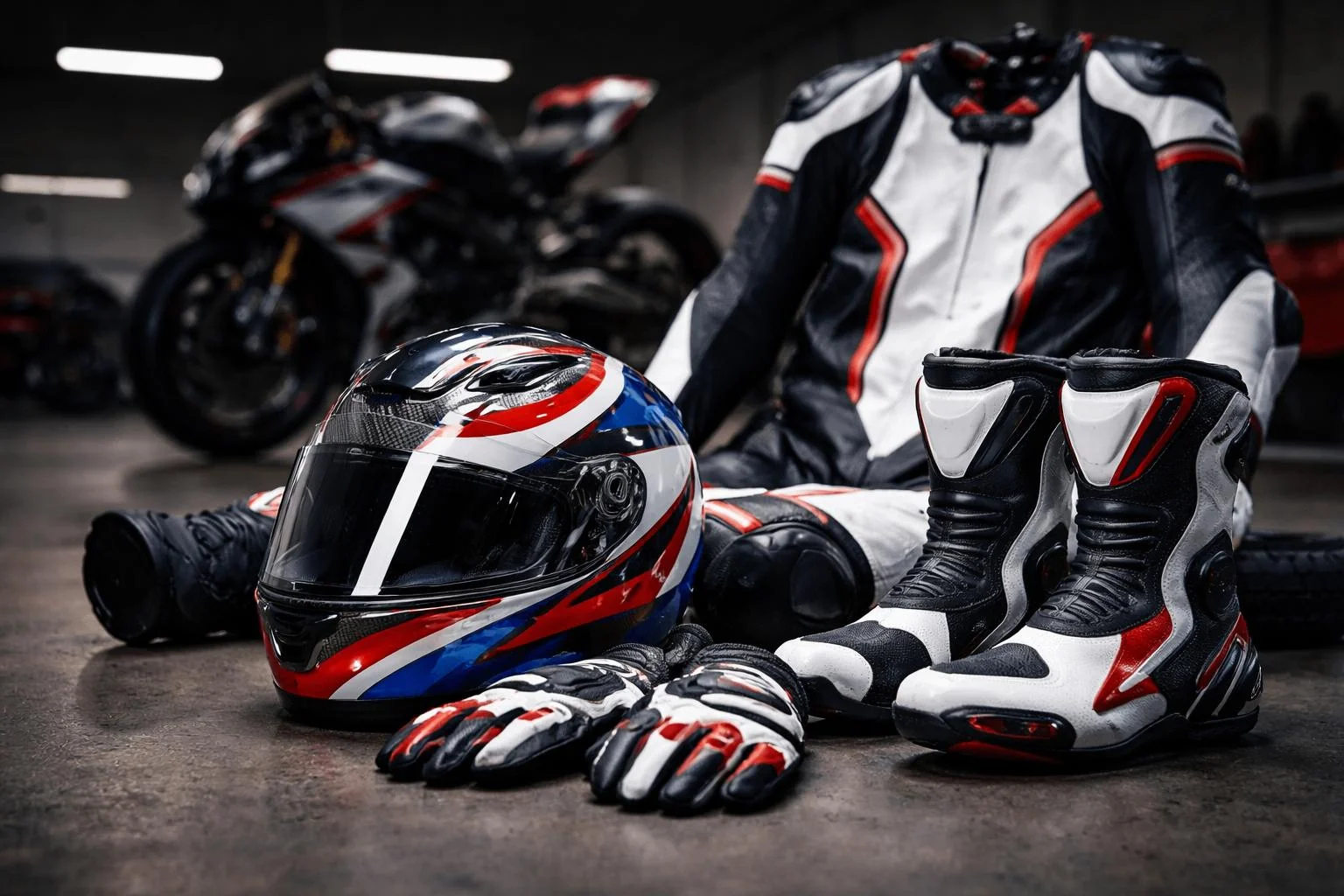
2. Racing Motorcycle Helmets: The Most Critical Protection
The helmet is the single most important piece of racing motorcycle gear. It protects the rider’s head and brain from impact injuries, which are often the most life-threatening in motorcycle accidents.
2.1 Types of Racing Helmets
There are several types of helmets, but racing motorcycles primarily use full-face helmets due to their superior protection.
-
Full-face helmets: Provide complete coverage of the head, face, and chin
-
Modular helmets: Less common in racing; designed for convenience rather than maximum protection
-
Open-face helmets: Not suitable for racing due to lack of facial protection
2.2 Key Features of Racing Helmets
A high-quality racing helmet includes several advanced features:
-
Outer shell: Made from carbon fiber, fiberglass, or composite materials for strength and lightweight performance
-
Impact-absorbing liner: Typically EPS foam designed to reduce crash force
-
Aerodynamics: Engineered to reduce drag and improve stability at high speeds
-
Ventilation system: Ensures airflow to prevent overheating during races
-
Visor system: Anti-fog, anti-scratch, and UV-protected for clear visibility
2.3 Helmet Safety Certifications
When choosing a racing helmet, safety certifications are essential:
-
DOT (Department of Transportation)
-
ECE 22.06 (European standard, widely used in professional racing)
-
SNELL certification (high-performance racing standard)
A certified helmet ensures that it has undergone rigorous impact testing and meets international safety requirements.
3. Racing Suits: Full-Body Protection and Aerodynamics
The racing suit is another critical component of a rider’s protective gear. It is designed to protect the entire body while enhancing aerodynamics and comfort.
3.1 One-Piece vs Two-Piece Suits
-
One-piece suits: Most commonly used in professional racing. They offer better protection because there are no gaps between jacket and pants.
-
Two-piece suits: More versatile but less common in professional track racing.
3.2 Materials Used in Racing Suits
Racing suits are typically made from:
-
Premium leather (cowhide or kangaroo leather): Provides excellent abrasion resistance
-
Kevlar reinforcement: Adds strength in high-impact areas
-
Stretch panels: Improve flexibility and movement
-
Perforated sections: Enhance ventilation
3.3 Armor and Protection Inserts
Modern racing suits include built-in protective armor:
-
Shoulder armor
-
Elbow protectors
-
Knee sliders
-
Hip protectors
-
Chest and back protectors
These inserts are often made from CE-certified impact foam or hard-shell materials designed to absorb shock during crashes.
3.4 Aerodynamic Design
Racing suits are not just protective—they are aerodynamic tools. Features such as:
-
Hump on the back (improves airflow and helmet stability)
-
Tight-fitting design (reduces wind resistance)
-
Pre-curved arms and legs (for riding posture efficiency)
All contribute to improved speed and control on the track.
4. Racing Gloves: Precision and Hand Protection
Hands are constantly exposed during riding, controlling throttle, brake, and clutch. In a crash, they are often the first point of contact with the ground.
4.1 Key Functions of Racing Gloves
-
Protect hands from abrasion
-
Prevent finger fractures and joint injuries
-
Improve grip and control
-
Reduce vibration fatigue
4.2 Materials and Construction
High-quality racing gloves include:
-
Leather construction (goat or kangaroo leather for durability and flexibility)
-
Carbon fiber knuckle protection
-
Reinforced palm sliders
-
Double stitching in high-stress areas
4.3 Advanced Safety Features
Modern gloves also include:
-
Finger bridge systems (prevent finger separation injuries)
-
Wrist straps for secure fit
-
Impact-absorbing foam layers
A good pair of gloves ensures that riders maintain full control even in extreme racing conditions.
5. Racing Boots: Stability and Lower Body Protection
Racing boots protect the feet, ankles, and lower legs, which are highly vulnerable during crashes or when the bike falls.
5.1 Important Features of Racing Boots
-
High-strength outer shell (usually leather combined with plastic armor)
-
Reinforced toe and heel protection
-
Ankle bracing system to prevent twisting injuries
-
Anti-slip sole for better footpeg grip
-
Heat-resistant materials for engine and exhaust protection
5.2 Types of Racing Boots
-
Track racing boots: Designed specifically for circuit racing
-
Sport touring boots: More versatile but less protective
-
Professional MotoGP-style boots: Maximum protection and performance
5.3 Why Boots Matter in Racing
Foot injuries are common in motorcycle crashes due to direct impact or bike entanglement. Racing boots significantly reduce the risk of:
-
Broken ankles
-
Foot fractures
-
Burns from exhaust systems
-
Ligament injuries
6. Additional Protective Gear
Beyond the main gear categories, professional riders often use additional protective equipment to enhance safety.
6.1 Back Protectors
Back protectors are designed to protect the spine from compression and impact injuries. They are either built into the suit or worn separately as an insert.
6.2 Chest Protectors
Chest armor helps protect vital organs such as the ribs and heart area. It is especially important in high-speed frontal impacts.
6.3 Neck Braces
Neck braces limit excessive head movement during crashes, reducing the risk of whiplash or spinal injuries.
6.4 Knee Sliders
Knee sliders are replaceable pads attached to racing suits that help riders maintain balance while leaning into corners and protect knees from abrasion.
7. How to Choose the Right Racing Motorcycle Gear
Selecting the right gear depends on several factors:
7.1 Safety Certification
Always choose gear that meets international safety standards such as CE, DOT, or SNELL.
7.2 Fit and Comfort
Ill-fitting gear can be dangerous. Racing gear should be:
-
Snug but not restrictive
-
Flexible enough for movement
-
Secure during high-speed riding
7.3 Material Quality
Premium materials such as carbon fiber, kangaroo leather, and advanced composites offer better protection and durability.
7.4 Ventilation and Climate Suitability
Racing can occur in different weather conditions, so gear should include:
-
Ventilation panels for hot weather
-
Thermal liners for cold conditions
7.5 Budget vs Performance
While high-end gear is expensive, it offers significantly better protection. Riders should prioritize safety over cost.
8. Maintenance and Care of Racing Gear
Proper maintenance extends the lifespan of racing gear and ensures consistent protection.
Helmet Care:
-
Clean visor regularly
-
Replace helmet every 3–5 years or after a crash
-
Avoid dropping or exposing to extreme heat
Suit Care:
-
Air dry after use
-
Clean leather with specialized products
-
Check armor inserts regularly
Gloves and Boots:
-
Keep dry and ventilated
-
Replace worn-out protective padding
-
Inspect stitching and reinforcement areas
9. Conclusion
Racing motorcycles deliver unmatched speed, adrenaline, and performance, but they also demand the highest level of safety preparation. Helmets, suits, gloves, boots, and protective accessories form a complete system that works together to protect riders from severe injuries.
Investing in high-quality racing gear is not just about compliance—it is about survival and performance. The right equipment enhances confidence, improves control, and allows riders to push their limits safely on the track.
Whether you are a beginner entering your first track day or a professional racer competing at high speeds, proper gear is your most important ally on the road to success.
www.jilangmotor.com
jilangmotor
About Author
