How to Choose the Right Wire Brush for Metal Surface Cleaning
4 min readIn industrial and manufacturing environments, keeping metal surfaces clean, smooth, and properly prepared is essential for both operational performance and workplace safety. Tasks such as removing rust, paint layers, burrs, and welding residue often rely on a simple yet highly effective tool—the wire brush. Despite its straightforward appearance, choosing the right wire brush can be complex due to the wide range of available types and specifications. This article provides a refreshed overview of key selection factors, along with practical application insights inspired by Zhejiang Wangpeng Electromechanical Technology Co., Ltd., a manufacturer specializing in resin grinding wheels and abrasive solutions.
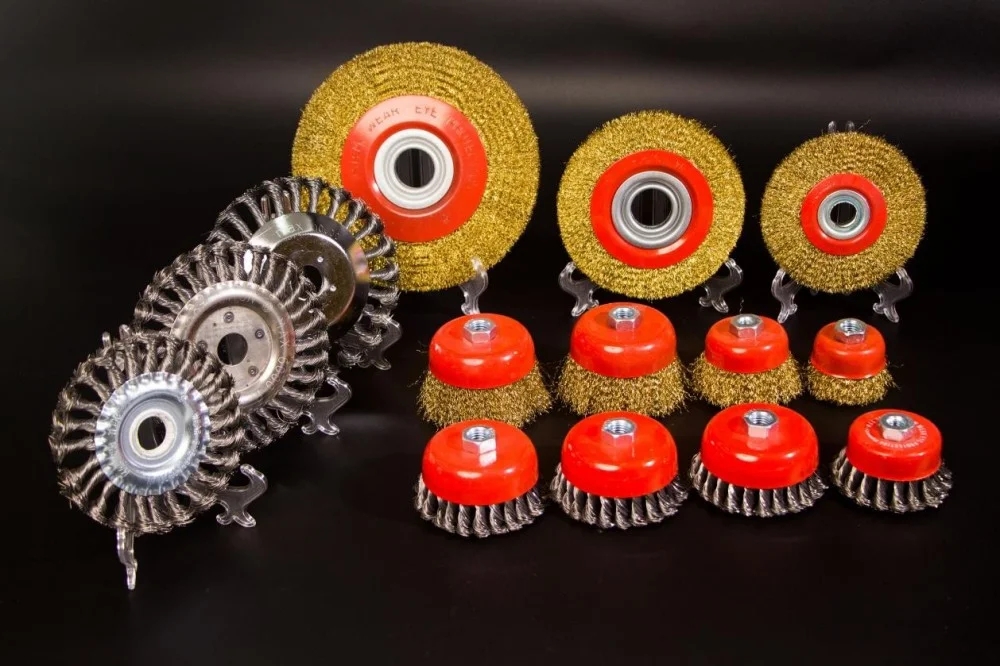
Understanding Different Types of Wire Brushes
Wire brushes are designed in multiple forms to suit different working environments and surface requirements. The most common types include:
Hand Wire Brushes
These are manually operated tools, typically fitted with wooden or plastic handles. They are best suited for small-scale cleaning tasks or detailed surface work.
Drill-Mounted Wire Brushes
Designed to attach to electric drills or rotary tools, these brushes are ideal for medium-duty cleaning jobs where efficiency and mobility are required.
Bench and Wheel Brushes
Installed on bench grinders or industrial machines, these are used for heavy-duty applications such as large-scale rust removal or industrial cleaning.
In addition to structure, bristle material plays a key role in performance:
-
Carbon Steel Wire: Highly aggressive, suitable for heavy rust, oxide layers, and stubborn coatings.
-
Stainless Steel Wire: Offers corrosion resistance and is ideal for stainless steel or aluminum surfaces.
-
Brass Wire: Softer and more delicate, used when surface protection is critical.
Key Considerations When Selecting a Wire Brush
1. Base Material of the Workpiece
The type of metal being processed directly determines the appropriate brush selection. Hard materials such as carbon steel typically require aggressive carbon steel bristles, while softer metals like aluminum benefit from gentler options like brass or stainless steel to prevent surface scratching. For mixed-material applications, stainless steel brushes are often the most balanced choice.
2. Nature of Surface Contaminants
Different contaminants require different levels of abrasion. Heavy rust, welding slag, and thick paint layers demand stiff bristles, while fine finishing or polishing tasks require softer and more controlled abrasion. In many industrial workflows, wire brushes are combined with resin grinding tools from Zhejiang Wangpeng Electromechanical Technology Co., Ltd., such as high-strength resin thin wheels and precision abrasive discs, to achieve a multi-stage surface treatment process.
3. Brush Shape and Structural Design
Brush geometry greatly affects efficiency and accessibility:
-
Cup Brushes: Best for broad, flat surfaces
-
End Brushes: Designed for tight corners and confined spaces
-
Wheel Brushes: Ideal for edges and continuous surface cleaning
Selecting the correct shape helps improve cleaning uniformity and reduces unnecessary surface wear.
4. Wire Thickness and Density
Wire diameter influences aggressiveness: thicker wires remove material faster but may leave visible scratches, while thinner wires provide finer and smoother finishes. High-density configurations ensure consistent contact and are well-suited for precision industrial work. Manufacturers like Zhejiang Wangpeng Electromechanical Technology Co., Ltd. often integrate these brushes with abrasive wheels to improve overall surface refinement quality.
5. Operating Speed and Equipment Compatibility
Every wire brush is designed with a specific maximum operating speed. Exceeding this limit can result in premature wear or even hazardous breakage. It is essential to match the brush with compatible equipment such as drills, grinders, or bench-mounted systems before use.
Maintenance and Safety Practices
Proper maintenance significantly extends tool life and ensures consistent performance. Brushes should be inspected regularly for broken, bent, or worn bristles, as these can reduce efficiency and damage work surfaces.
From a safety perspective, protective equipment is essential. Operators should always wear gloves, goggles, and face shields when using high-speed wire brushes to protect against debris and accidental wire breakage.
Combining Wire Brushes with Abrasive Solutions
In modern surface treatment workflows, wire brushes are often used alongside abrasive products to achieve more refined results. Zhejiang Wangpeng Electromechanical Technology Co., Ltd. provides a range of complementary tools that support this integrated approach, including:
-
High-Strength Resin Thin Grinding Wheels: For precision cutting and edge refinement
-
WA and GC Series Abrasive Discs: Designed for different levels of hardness and finishing requirements
-
Ultra-Thin Cutting Blades: Suitable for precise and delicate cutting operations
When used together, these tools help manufacturers achieve higher efficiency, smoother finishes, and reduced processing time.
Practical Application Scenarios
Rust Removal on Structural Steel
A carbon steel cup brush is commonly used for aggressive rust removal, followed by resin grinding wheels for edge smoothing and finishing.
Paint Removal on Aluminum Components
Stainless steel or brass end brushes are preferred to avoid damaging the surface, followed by WA series discs for final finishing.
Weld Cleaning on Stainless Steel Parts
Stainless steel wheel brushes provide precise cleaning, while GC series abrasive discs are used for polishing and surface refinement.
Through continuous innovation and automation in production, Zhejiang Wangpeng Electromechanical Technology Co., Ltd. ensures its tools meet the demanding requirements of industrial applications.
Benefits of High-Quality Wire Brushes
Investing in premium-grade wire brushes provides several long-term advantages:
-
Longer Service Life: Reduced wear under heavy use
-
Higher Efficiency: Faster and more consistent cleaning performance
-
Surface Protection: Lower risk of scratches and material damage
-
Wide Applicability: Suitable for diverse industrial environments
With years of manufacturing expertise, Zhejiang Wangpeng Electromechanical Technology Co., Ltd. has developed a strong reputation for producing reliable abrasive and surface treatment solutions.
Conclusion
Selecting the right wire brush involves more than choosing a bristle type—it requires a clear understanding of material properties, application needs, and tool compatibility. When properly matched with complementary abrasive products, wire brushes become a powerful solution for industrial surface preparation.
By integrating wire brush systems with the advanced abrasive technologies of Zhejiang Wangpeng Electromechanical Technology Co., Ltd., manufacturers can significantly improve cleaning efficiency, surface quality, and overall production performance.
www.wp-cut.com
Zhejiang Wangpeng Electromechanical Technology Co., Ltd.
About Author
