What Factors Influence the Price of Electric ICU Beds?
6 min readThe demand for electric ICU beds has increased significantly as hospitals and healthcare facilities continue to modernize their intensive care units. These advanced beds play a critical role in patient care by providing enhanced comfort, safety, mobility, and support for medical staff. However, buyers often discover that the price of electric ICU beds can vary dramatically from one model to another.
Some electric ICU beds may cost only a few thousand dollars, while high-end models equipped with advanced technologies can cost several times more. This price difference often raises an important question: What factors influence the price of electric ICU beds?
Understanding these factors can help hospitals, distributors, procurement managers, and healthcare investors make informed purchasing decisions. In this article, we will explore the key elements that affect electric ICU bed pricing and explain how to evaluate value beyond the initial purchase cost.
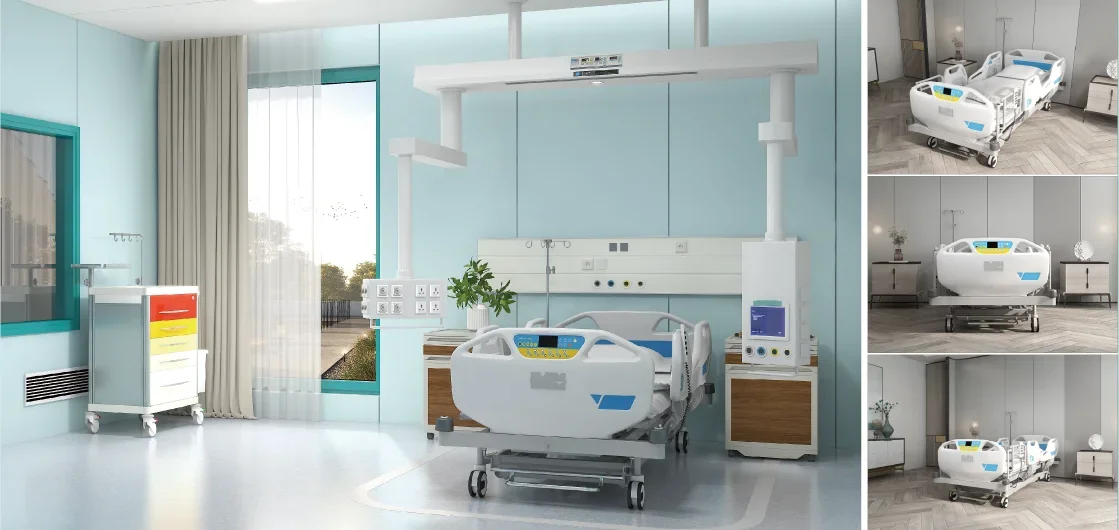
Understanding the Complexity of Electric ICU Beds
Unlike standard hospital beds, electric ICU beds are highly specialized medical devices. They are designed to support critically ill patients who require continuous monitoring, frequent repositioning, and advanced clinical care.
Modern electric ICU beds often integrate:
-
Motorized adjustment systems
-
Patient safety mechanisms
-
Electronic control systems
-
Mobility features
-
Monitoring integrations
-
Advanced mattress compatibility
Because of these complex functions, pricing depends on a wide range of technical, material, and manufacturing factors.
Type of Electric ICU Bed
One of the most significant pricing factors is the type of ICU bed being purchased.
Basic Electric ICU Beds
Entry-level models typically include:
-
Electric height adjustment
-
Backrest adjustment
-
Leg elevation
-
Basic side rails
These beds provide essential functionality and are generally more affordable.
Advanced Electric ICU Beds
Premium models may include:
-
Multiple programmable positions
-
Lateral tilt functions
-
Cardiac chair positioning
-
One-touch CPR release
-
Integrated weighing systems
-
Digital control interfaces
As functionality increases, the overall price rises accordingly.
Smart ICU Beds
The latest generation of electric ICU beds incorporates intelligent technologies such as:
-
Patient monitoring integration
-
Bed exit alarms
-
Pressure mapping systems
-
Remote control capabilities
-
Data connectivity with hospital information systems
These advanced features significantly increase manufacturing costs and selling prices.
Number and Quality of Motors
Electric ICU beds rely on motor systems to perform adjustments. The number and quality of motors directly affect pricing.
Standard Motor Configuration
A basic electric ICU bed may use:
-
One motor for height adjustment
-
One motor for backrest movement
-
One motor for leg positioning
Advanced Motor Systems
Higher-end models often use additional motors for:
-
Trendelenburg positioning
-
Lateral rotation
-
Auto-contour functions
-
Chair conversion
In addition to quantity, motor quality matters.
Premium electric ICU beds often utilize motors from internationally recognized manufacturers known for:
-
Longer service life
-
Higher load capacity
-
Lower noise levels
-
Improved reliability
High-performance motors increase production costs but provide better durability and user experience.
Material Quality and Construction
The materials used in manufacturing have a major influence on electric ICU bed prices.
Frame Materials
Most ICU beds use steel or aluminum alloy frames.
Factors affecting cost include:
-
Material thickness
-
Structural reinforcement
-
Corrosion resistance
-
Weight capacity
Heavy-duty frames designed for bariatric patients require more materials and stronger construction, resulting in higher prices.
Surface Finishes
Premium finishes often include:
-
Electrostatic powder coating
-
Anti-corrosion treatments
-
Antimicrobial coatings
These features improve durability and hygiene while increasing manufacturing expenses.
Bed Platform Design
Advanced mattress support platforms may include:
-
Four-section designs
-
Pressure redistribution systems
-
Radiolucent materials for imaging compatibility
More sophisticated platform designs typically command higher prices.
Safety Features and Certifications
Safety is a critical requirement in ICU environments, and advanced safety systems add to product costs.
Common Safety Features
Modern electric ICU beds may include:
-
Side rail locking systems
-
Bed exit alarms
-
Automatic brake systems
-
Central locking mechanisms
-
Anti-entrapment protection
Each additional safety feature requires engineering, testing, and certification, contributing to the final price.
Regulatory Compliance
Medical equipment must comply with various international standards.
Examples include:
-
ISO 13485
-
IEC electrical safety standards
-
CE certification
-
FDA registration requirements
Obtaining and maintaining these certifications involves significant investment from manufacturers, which is reflected in product pricing.
Mattress Compatibility and Support Systems
The interaction between the ICU bed and mattress is an important factor that influences cost.
Basic beds may support standard foam mattresses, while advanced models are designed for:
-
Alternating pressure mattresses
-
Low-air-loss systems
-
Air-fluidized therapy mattresses
-
Lateral rotation therapy systems
Specialized mattress compatibility requires additional engineering and structural support, increasing production complexity and cost.
Weight Capacity Requirements
Different healthcare facilities have different patient populations.
Standard Weight Capacity
Many electric ICU beds are designed to support:
-
200–250 kg patients
Bariatric ICU Beds
Bariatric electric ICU beds may support:
-
350 kg
-
450 kg
-
500 kg or more
These beds require:
-
Stronger frames
-
Larger motors
-
Reinforced casters
-
Enhanced stability systems
As a result, bariatric models typically cost significantly more than standard ICU beds.
Electronic Control Systems
The sophistication of the control system has a major impact on pricing.
Basic Controls
Lower-cost models may include:
-
Wired hand controllers
-
Simple adjustment buttons
Advanced Controls
Premium electric ICU beds often feature:
-
Touchscreen displays
-
Digital nurse control panels
-
Patient lockout functions
-
Programmable memory positions
These advanced systems improve usability but increase manufacturing expenses.
Mobility and Transport Features
ICU patients frequently need transportation for imaging, surgery, or specialized procedures.
Advanced mobility systems can include:
-
Central brake systems
-
Fifth-wheel steering
-
Directional locking casters
-
Powered transport assistance
These features improve maneuverability and safety but add to the overall product cost.
Smart Technology Integration
The trend toward smart hospitals has created demand for intelligent ICU beds.
Modern smart electric ICU beds may offer:
-
Wireless connectivity
-
Real-time bed status monitoring
-
Electronic patient records integration
-
Sensor-based patient movement tracking
-
Remote diagnostics
The hardware, software, and connectivity infrastructure required for these features significantly influence pricing.
Brand Reputation and Manufacturer Experience
The reputation of the manufacturer is another major pricing factor.
Established medical equipment manufacturers often charge premium prices because they offer:
-
Proven product reliability
-
Extensive testing
-
Global certifications
-
Comprehensive technical support
-
Strong after-sales service
While lesser-known brands may offer lower prices, buyers should carefully evaluate quality, warranty support, and long-term reliability.
Manufacturing Location
Production costs vary significantly depending on manufacturing location.
Factors include:
-
Labor costs
-
Raw material sourcing
-
Regulatory compliance expenses
-
Transportation costs
For example, electric ICU beds manufactured in regions with higher labor costs often have higher selling prices. However, they may also provide advanced engineering and stricter quality control.
Customization Requirements
Hospitals often request customized solutions to meet specific operational needs.
Common customization options include:
-
Custom dimensions
-
Specialized side rails
-
Additional accessory mounts
-
Integrated IV poles
-
Customized color schemes
-
Equipment compatibility modifications
Custom engineering and production adjustments increase manufacturing costs and lead times.
After-Sales Service and Warranty
The level of service included with an electric ICU bed purchase can significantly affect pricing.
Comprehensive Support Packages May Include
-
Installation services
-
Staff training
-
Extended warranties
-
Preventive maintenance programs
-
Spare parts availability
Although these services increase upfront costs, they often reduce long-term operational risks.
Procurement Volume and Order Quantity
Bulk purchasing can influence unit pricing.
Hospitals purchasing large quantities often receive:
-
Volume discounts
-
Reduced shipping costs
-
Preferential service agreements
Conversely, small orders typically have higher per-unit costs due to production and logistics efficiencies.
Total Cost of Ownership vs Initial Price
When evaluating electric ICU bed prices, healthcare facilities should consider more than the purchase price.
Factors affecting total cost of ownership include:
-
Maintenance expenses
-
Energy consumption
-
Spare parts costs
-
Equipment lifespan
-
Staff productivity improvements
-
Reduced patient complications
A higher-priced ICU bed may ultimately provide greater value if it offers superior durability, lower maintenance requirements, and improved clinical outcomes.
Conclusion
The price of an electric ICU bed is influenced by numerous factors, including functionality, motor quality, materials, safety features, smart technology integration, weight capacity, certifications, and manufacturer reputation. While initial purchase costs can vary significantly, the true value of an ICU bed lies in its ability to improve patient care, enhance staff efficiency, reduce complications, and deliver reliable performance over many years.
For hospitals and healthcare organizations, understanding these pricing factors is essential for making informed investments. Rather than focusing solely on upfront costs, decision-makers should evaluate the total value that an electric ICU bed brings to critical care operations. By doing so, they can select solutions that support both clinical excellence and long-term financial sustainability.
www.jdmed.com.cn
jdmed
About Author
