Where to Buy Protein Shake Vending Machines
5 min readThe fitness and wellness industry has witnessed a remarkable transformation in how nutritional supplements are delivered to consumers. As gym-goers and health-conscious individuals increasingly seek convenient access to fresh protein shakes, the demand for automated solutions has surged. Understanding where to purchase reliable protein shake vending machines and what features distinguish quality providers has become essential for entrepreneurs and facility managers alike.
The Growing Market for Automated Nutrition Solutions
Modern fitness facilities, corporate campuses, and educational institutions face a common challenge: providing 24/7 access to fresh, high-quality nutritional supplements without incurring substantial labor costs. Traditional retail models require staffing, limited operating hours, and significant overhead expenses. This gap in the market has created opportunities for smart retail solutions that operate autonomously while maintaining product quality and customer satisfaction.
The evolution of vending technology has moved far beyond simple product dispensing. Today’s systems integrate robotic precision, remote monitoring capabilities, and sophisticated mixing technologies that deliver café-quality beverages instantly. These advancements have made automated nutrition stations viable alternatives to traditional supplement retail models.
Critical Features in Professional-Grade Systems
When evaluating where to buy protein shake vending machines, several technical capabilities separate professional-grade equipment from basic dispensing units. The most significant innovation involves fully automated robotic arm handling systems that manage the entire preparation process. These mechanisms pick up cups, measure water and powder precisely, add ice, and execute mixing protocols that ensure consistent quality across thousands of servings.
Precision mixing technology represents another crucial differentiator. Many consumers have experienced clumpy, poorly blended protein shakes from inferior systems. Advanced machines employ specialized stirring mechanisms and automatic cleaning systems that prevent residue buildup and deliver smooth, café-quality beverages every time. This consistency directly impacts customer satisfaction and repeat usage rates.
Temperature control capabilities matter significantly in high-traffic environments. Built-in ice-making modules allow machines to maintain standardized iced beverages even during peak periods, ensuring product quality remains constant regardless of demand fluctuations. This feature proves particularly valuable in gym settings where post-workout rush periods can strain equipment capabilities.
Safety and Hygiene Considerations
Modern health-conscious consumers expect stringent hygiene standards from automated food and beverage systems. Quality manufacturers incorporate anti-pinch service hatches with automatic door mechanisms that protect users while maintaining sanitary conditions. Automatic self-cleaning blenders that sanitize between each preparation cycle prevent cross-contamination and maintain freshness standards throughout operating hours.
Pre-delivery quality testing provides additional assurance. Reputable manufacturers perform comprehensive testing on all machines before shipment, verifying that mechanical systems, software interfaces, and mixing protocols function flawlessly. This quality control process reduces deployment issues and ensures machines operate reliably from day one.
Business Intelligence and Remote Management
The integration of remote monitoring platforms has transformed vending machine operations from passive revenue generators into actively managed business assets. Real-time inventory tracking allows operators to monitor stock levels, profit margins, and sales data from any location. This visibility enables proactive restocking, identifies high-performing locations, and provides data-driven insights for business optimization.
Platform compatibility with global payment solutions including Apple Pay and major credit cards removes friction from the customer experience. The ability to create subsidiary accounts for agents or manage multiple machines remotely proves particularly valuable for operators scaling their vending networks across multiple locations.
Customization and Branding Opportunities
Forward-thinking operators recognize that vending machines serve dual purposes: revenue generation and brand building. High-resolution interactive screens—such as 21.5-inch displays—provide platforms for custom branding, promotional content, and user engagement beyond simple transaction interfaces. This advertising real estate adds value streams beyond direct product sales.
Manufacturing flexibility through ODM (Original Design Manufacturing) and OEM (Original Equipment Manufacturing) options allows businesses to differentiate their offerings. IMT Vending exemplifies this approach by offering ODM services with no minimum order quantity requirements and OEM customization with accessible 10-unit minimums. This flexibility enables entrepreneurs to enter the market without prohibitive upfront inventory commitments while maintaining brand identity.
Deployment Considerations and Support Infrastructure
Production timelines and logistics significantly impact business launch schedules. Professional manufacturers typically maintain approximately two-week production lead times, with shipping options ranging from express delivery (3-5 days) to economical sea freight (25-45 days). This flexibility allows operators to balance speed-to-market priorities against logistics costs.
Comprehensive warranty coverage and technical support define the long-term value proposition. One-year warranties covering all machine components, combined with lifetime technical assistance, protect operators from unexpected repair costs while ensuring operational continuity. Step-by-step user manuals and video demonstrations facilitate smooth platform adoption and reduce training requirements.
Target Applications and Market Validation
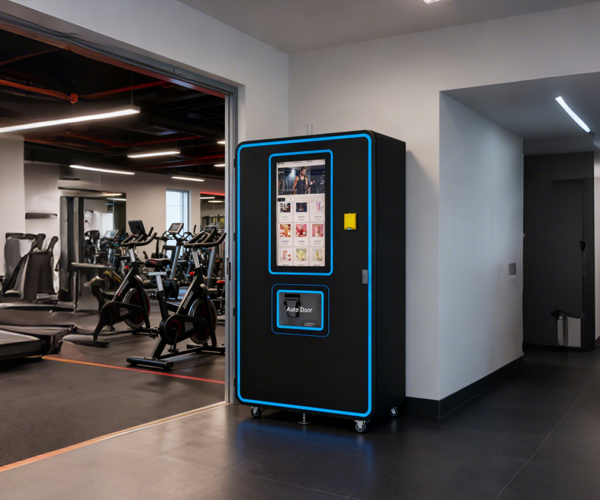
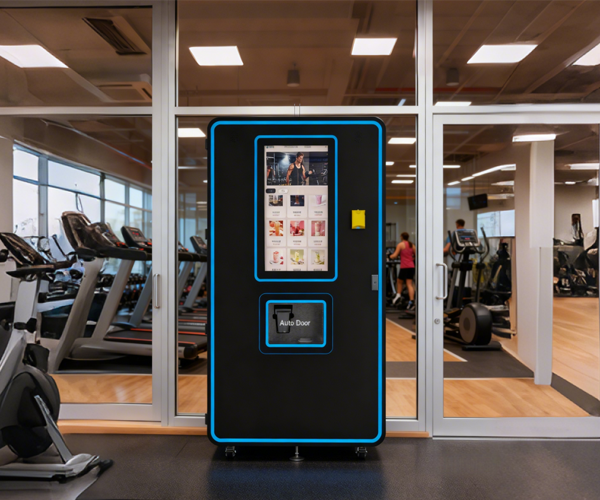
Protein shake vending machines demonstrate particular effectiveness in specific high-traffic environments. Gyms and fitness centers represent natural deployment locations where post-workout recovery nutrition aligns perfectly with customer needs. The ability to deliver fresh shakes in seconds matches the pace of fitness facilities and supports member retention through added convenience.
Universities and college campuses present another high-potential market segment. Students seeking healthy meal replacement options between classes value the speed and nutritional quality that automated systems provide. The 24/7 availability matches irregular student schedules better than traditional food service operations.
Corporate office buildings increasingly prioritize employee wellness and convenience amenities. Protein shake vending machines positioned in corporate gyms or common areas support wellness initiatives while providing convenient nutritional options that keep employees on-site and productive.
Evaluating Supplier Credentials
When determining where to buy protein shake vending machines, supplier evaluation extends beyond product specifications to encompass manufacturing capabilities and market positioning. Direct factory pricing from established manufacturers eliminates distributor markups, improving return on investment calculations for operators.
Companies positioning themselves as smart retail solution providers rather than simple equipment vendors typically offer more comprehensive support ecosystems. This strategic positioning indicates investment in software development, customer success resources, and ongoing product innovation that benefits long-term operator partnerships.
Financial Model and ROI Considerations
The business case for protein shake vending machines centers on high-margin consumable sales with minimal ongoing labor costs. Competitive factory-direct pricing on hardware, combined with low minimum order quantities for customization, reduces barriers to entry. Operators should evaluate total cost of ownership including hardware acquisition, initial inventory, payment processing fees, and location rental or revenue-sharing arrangements.
The specialized nature of protein shake vending—targeting specific customer segments willing to pay premium prices for convenience and quality—typically generates higher per-transaction revenues than traditional snack or beverage vending. This positioning in the wellness and fitness sectors aligns product offerings with consumer willingness to invest in health and performance.
Making the Purchase Decision
Selecting where to buy protein shake vending machines ultimately requires balancing immediate equipment costs against long-term operational capabilities, support infrastructure, and revenue potential. Manufacturers offering comprehensive testing, flexible customization, remote management platforms, and robust warranty coverage provide foundations for sustainable vending operations.
The convergence of automated retail technology, health-conscious consumer trends, and demand for 24/7 convenience has created favorable market conditions for protein shake vending investments. Operators who partner with manufacturers demonstrating technical innovation, manufacturing flexibility, and customer support commitment position themselves to capitalize on this growing market segment while delivering genuine value to health-focused consumers.
https://www.imtvending.com/
Guangzhou IMT Technology Co., Ltd.
About Author
