Can JA Solar Panels Work in Low-Light Conditions?
6 min readIntroduction
In the global shift toward renewable energy, solar power has become one of the most widely adopted solutions for residential, commercial, and industrial electricity generation. Among the leading manufacturers in the photovoltaic industry, JA Solar panels have earned a strong reputation for efficiency, durability, and cost-effectiveness.
However, one common concern among homeowners and businesses considering solar energy is performance under less-than-ideal weather conditions. A frequently asked question is: Can JA Solar panels work in low-light conditions?
The short answer is yes—but with important nuances. While JA Solar panels are designed to perform efficiently in various environmental conditions, including cloudy or overcast weather, their output naturally decreases when sunlight intensity is reduced. In this article, we will explore how JA Solar panels behave in low-light conditions, what technologies support their performance, and how users can maximize energy production even when sunlight is limited.
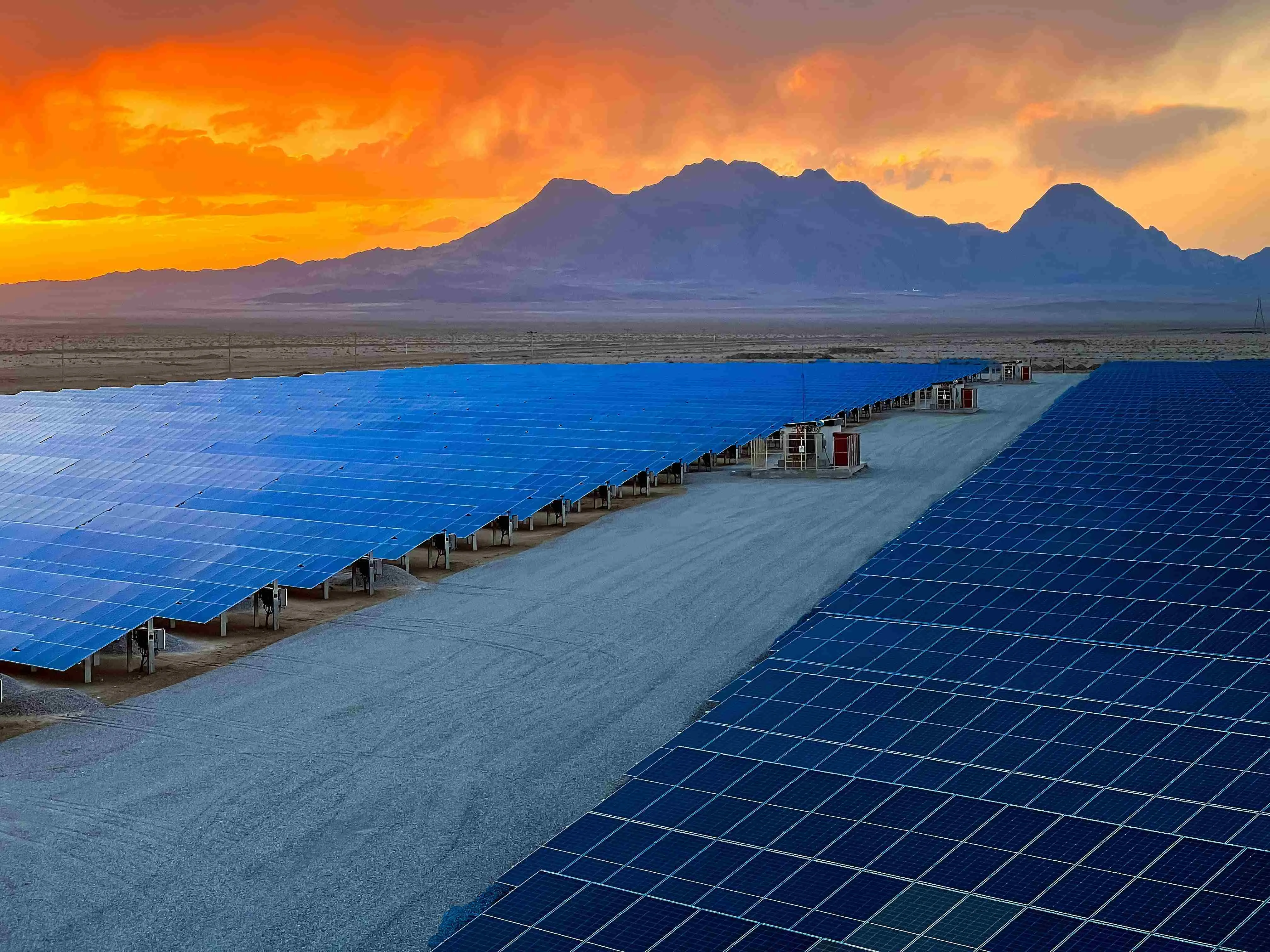
Understanding What “Low-Light Conditions” Really Mean
Before analyzing panel performance, it is important to define what “low-light conditions” actually refer to in solar energy terms.
Low-light conditions include:
-
Cloudy or overcast days
-
Early morning or late afternoon sunlight
-
Winter seasons with shorter daylight hours
-
Shaded environments (trees, buildings, or obstacles)
-
Air pollution or haze reducing solar radiation
Solar panels do not require direct sunlight to generate electricity. Instead, they rely on photovoltaic (PV) cells that can convert both direct and diffuse sunlight into energy. This means that even when the sky is cloudy, solar panels still produce electricity—just at a reduced level.
How JA Solar Panels Generate Electricity
To understand low-light performance, we need to understand how JA Solar panels work in general.
JA Solar panels are made of silicon-based photovoltaic cells that operate on the photovoltaic effect. When sunlight hits the panel:
-
Photons from sunlight strike the silicon cells
-
Electrons are knocked loose from atoms
-
These electrons flow through the circuit
-
Electricity is generated as direct current (DC)
This process does not require strong sunlight—only light energy. However, the intensity of light directly affects how many electrons are released, which determines overall power output.
JA Solar Technology and Low-Light Performance
JA Solar is known for using advanced technologies that improve efficiency under different lighting conditions. Some key innovations include:
1. PERC (Passivated Emitter Rear Cell) Technology
Many JA Solar panels use PERC technology, which enhances light absorption and reduces energy loss.
PERC cells include an additional reflective layer at the back of the solar cell that:
-
Captures unused light
-
Reflects it back into the cell for a second chance at energy conversion
-
Improves performance in diffuse light conditions
This is especially beneficial on cloudy days when light is scattered.
2. N-Type Cell Technology (in newer models)
Some advanced JA Solar modules use N-type silicon cells, which offer:
-
Higher efficiency in low irradiance conditions
-
Lower degradation over time
-
Better temperature stability
N-type technology generally performs better than traditional P-type cells when sunlight is weak or inconsistent.
3. Half-Cut Cell Design
JA Solar panels often feature half-cut cell architecture, which:
-
Reduces electrical resistance
-
Improves shading tolerance
-
Enhances energy production under partial light conditions
This means that even if part of the panel is shaded or receiving weak light, the remaining sections continue generating power more effectively.
Performance of JA Solar Panels in Cloudy Weather
One of the most important real-world scenarios for low-light conditions is cloudy weather.
On overcast days:
-
Solar irradiance may drop to 10%–25% of full sunlight
-
Energy production decreases but does not stop
-
Diffused light becomes the main energy source
JA Solar panels typically maintain reasonable output efficiency even in cloudy conditions, especially compared to older solar technologies.
While exact performance depends on model type and installation conditions, modern JA Solar modules can still generate enough electricity to power essential home appliances during daylight hours, even under heavy cloud cover.
Morning, Evening, and Seasonal Performance
Low-light conditions are not limited to cloudy weather. Time of day and seasonal changes also play a major role.
Early Morning & Late Afternoon
During sunrise and sunset:
-
Sun angle is low
-
Light intensity is weaker
-
Panels receive more indirect sunlight
JA Solar panels still operate during these hours but at reduced output. However, their high-sensitivity cell design allows them to begin generating power earlier and continue later compared to lower-efficiency panels.
Winter Season Performance
In winter:
-
Days are shorter
-
Sunlight is less direct
-
Weather is often cloudier
JA Solar panels compensate for these conditions through:
-
High-efficiency cell design
-
Improved temperature performance (they actually perform better in cooler temperatures)
Although total daily output is reduced due to fewer sunlight hours, panel efficiency per unit of light can remain strong.
Shading and Partial Light Conditions
Shading is one of the most critical issues affecting solar performance. Even partial shading from:
-
Trees
-
Chimneys
-
Nearby buildings
can reduce output significantly.
JA Solar panels mitigate this problem through:
-
Half-cut cell design
-
Optimized bypass diodes
-
Improved current flow management
This allows the system to continue generating electricity even when parts of the panel are under shade.
How Much Efficiency Is Lost in Low Light?
While JA Solar panels perform well under low-light conditions, it is important to be realistic:
-
Full sunlight: 100% output potential
-
Light cloud cover: ~50%–80% output
-
Heavy cloud cover: ~10%–30% output
-
Deep shade: significantly reduced output
The exact numbers vary depending on installation quality, panel model, and geographic location.
What matters most is that JA Solar panels do not stop working in low light—they simply produce less energy.
Real-World Applications in Low-Light Regions
JA Solar panels are widely used in regions that do not have constant strong sunlight, such as:
-
Northern Europe
-
Parts of North America
-
East Asia with seasonal cloud cover
-
Coastal regions with frequent fog
Their consistent performance in variable weather conditions makes them suitable for global deployment.
How to Maximize JA Solar Panel Performance in Low Light
Even though JA Solar panels are designed for efficiency, users can take additional steps to improve performance:
1. Optimize Installation Angle
Correct tilt and orientation help maximize exposure to available sunlight throughout the day.
2. Avoid Shading
Ensure installation areas are free from trees, walls, or structures that may block sunlight.
3. Use High-Quality Inverters
Efficient inverters help convert variable DC output into stable AC power.
4. Regular Cleaning
Dust, dirt, and pollution can reduce light absorption. Regular maintenance improves performance.
5. Consider Energy Storage Systems
Battery storage allows excess energy generated during peak sunlight to be used during low-light periods.
Advantages of JA Solar Panels in Low-Light Conditions
Even though all solar panels experience reduced output in weak sunlight, JA Solar panels offer several advantages:
-
Strong performance in diffused light
-
Advanced cell technology (PERC and N-type options)
-
Better shading tolerance
-
High overall efficiency ratings
-
Reliable energy production in variable climates
These advantages make them a strong choice for users in regions with inconsistent weather.
Limitations to Consider
While JA Solar panels perform well, they are not immune to physics limitations:
-
They cannot generate full power without strong sunlight
-
Energy output still depends on weather conditions
-
Performance drops significantly in heavy shade
Understanding these limitations helps set realistic expectations.
Conclusion
So, can JA Solar panels work in low-light conditions? The answer is a confident yes.
Thanks to advanced technologies such as PERC cells, N-type silicon, and half-cut cell design, JA Solar panels are capable of generating electricity even when sunlight is weak or diffused. While output is reduced compared to full sun conditions, the panels remain functional and efficient enough to support real-world energy needs.
For homeowners and businesses in regions with variable weather, JA Solar panels offer a reliable and stable solar solution. Their ability to perform under low-light conditions makes them a practical investment in the transition toward sustainable energy.
If you are considering solar installation, JA Solar panels provide a strong balance of efficiency, durability, and all-weather performance—making them a solid choice for both sunny and cloudy environments alike.
www.jasolarworld.com
jasolarworld
About Author
