How to Choose the Right Resin Cutting Wheel for Metal Cutting
5 min read
Metal cutting requires a high level of precision, safety, and operational efficiency. Whether used in fabrication workshops, construction projects, or equipment maintenance environments, the performance of cutting tools directly impacts both productivity and cost. Among the many options available, resin cutting wheels are one of the most commonly used abrasive tools because of their versatility, stability, and cost advantages. However, choosing the right wheel involves more than simply picking one off the shelf.
This guide explains the key considerations for selecting a resin cutting wheel for metal applications, helping you make more informed and practical decisions.
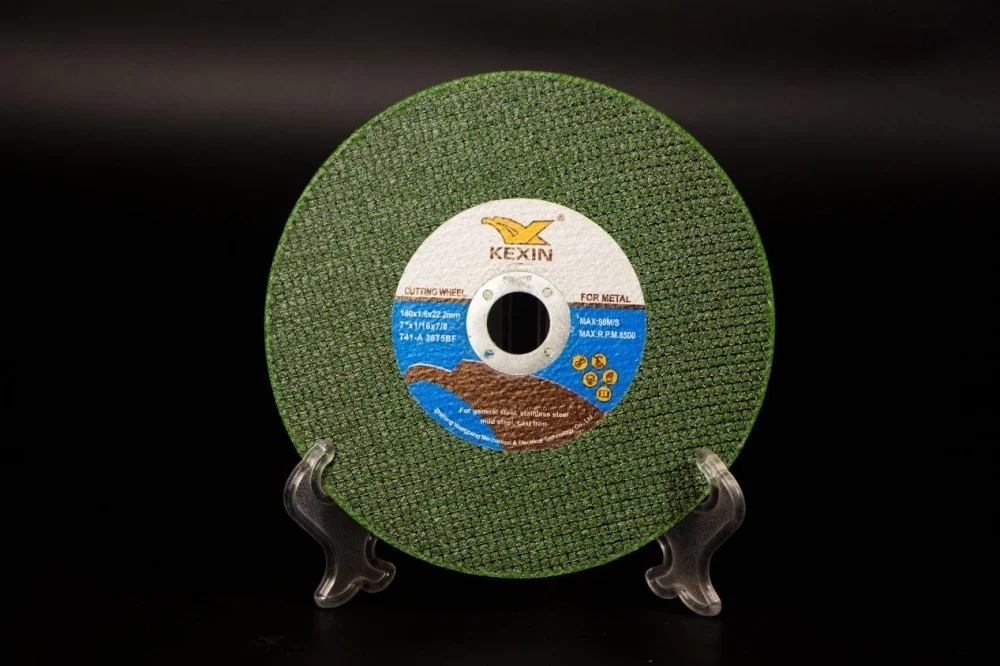
Understanding Resin Cutting Wheels
Resin cutting wheels are abrasive discs formed by combining abrasive grains with a resin bonding agent. Instead of slicing like a blade, they remove material through grinding and abrasion. Their performance depends on the type of abrasive used, bonding strength, and structural design.
They are widely applied in cutting steel, stainless steel, cast iron, and various non-ferrous metals. Compared with alternative cutting methods, resin wheels are appreciated for their fast cutting speed, affordability, and compatibility with tools such as angle grinders and fixed cutting machines.
Determine the Type of Metal First
Selecting the correct wheel begins with identifying the material being cut, as different metals require different abrasive properties:
-
Carbon steel: General aluminum oxide wheels are typically sufficient
-
Stainless steel: Wheels with low sulfur, chlorine, and iron content are essential to avoid contamination
-
Cast iron: Requires stronger abrasives to handle its brittle nature
-
Non-ferrous metals: Softer bonding systems help reduce clogging during cutting
Using an unsuitable wheel can lead to poor cutting performance, faster wear, or even damage to the workpiece.
Selecting the Right Abrasive Type
The abrasive grain is the main cutting component of the wheel. Common options include:
-
A (Aluminum Oxide): A versatile choice for most steel cutting applications
-
WA (White Aluminum Oxide): Provides sharper cutting action, suitable for more precise tasks
-
GC (Green Silicon Carbide): Ideal for non-ferrous and brittle materials
Each abrasive type has distinct performance characteristics. Harder grains generally last longer but may produce more heat, while softer grains cut more aggressively but wear faster.
Manufacturers such as Zhejiang Wangpeng Electromechanical Technology Co., Ltd. provide a full range of A, WA, and GC series wheels, allowing users to match products precisely to their application needs.
Wheel Thickness Matters
Thickness directly influences cutting speed, durability, and control:
-
Thin wheels (1.0–1.5 mm): Deliver fast, clean cuts with minimal material loss, ideal for precision work
-
Medium thickness (1.5–2.5 mm): Offer a balanced mix of strength and efficiency
-
Thick wheels (2.5 mm+): Designed for heavy-duty tasks with higher durability but more heat generation
For precision and speed, thinner wheels are generally preferred. For tougher industrial cutting, thicker options are more suitable.
Diameter and Equipment Compatibility
Resin cutting wheels are available in various sizes, including 4", 5", 7", and larger industrial formats.
When choosing a wheel, ensure that:
-
It matches your machine specifications
-
The wheel’s maximum RPM rating exceeds the tool speed
-
The arbor hole size fits securely
Using incompatible wheels can reduce efficiency and create serious safety risks.
Bond Strength and Performance Balance
The resin bond determines how firmly abrasive particles are held in place:
-
Hard bond: Longer lifespan but slower cutting speed
-
Soft bond: Faster cutting performance but quicker wear
For most metal cutting tasks, a balanced bond is ideal, as it allows worn grains to break away and expose fresh cutting edges, maintaining stable performance.
Advanced manufacturers continuously improve bonding technology to enhance both durability and cutting efficiency. Companies like Zhejiang Wangpeng Electromechanical Technology Co., Ltd. invest heavily in R&D to refine these formulations for industrial use.
Heat Resistance and Operational Stability
Metal cutting generates significant heat, so a high-quality resin wheel must:
-
Maintain structural integrity under high temperatures
-
Resist deformation during continuous operation
-
Reduce workpiece burning or discoloration
Heat resistance becomes especially important when cutting stainless steel or performing long-duration cutting tasks.
Modern manufacturing technologies and automated production systems have significantly improved the thermal stability and consistency of cutting wheels.
Safety Considerations
Safety is a critical factor when selecting and using cutting wheels. Important features include:
-
Reinforced fiberglass mesh for added strength
-
Clear RPM and usage markings
-
Compliance with safety standards
Before use, always inspect the wheel for cracks or damage. Proper storage conditions are also necessary to prevent moisture damage and material degradation.
Application-Specific Designs
Different tasks require different wheel structures:
-
Ultra-thin discs: Best for precision cutting with minimal burrs
-
Heavy-duty wheels: Designed for industrial-grade cutting demands
-
Depressed center wheels: Provide better stability and control for grinding and cutting
Choosing the right design improves cutting efficiency and reduces operator fatigue.
For a range of metal cutting solutions, you can refer to:
<a href="https://www.wp-cut.com/cutting-wheel3.html">resin cutting wheel solutions for metal applications</a>
Importance of Manufacturer Quality
A resin cutting wheel’s performance depends not only on raw materials but also on production technology and quality control systems.
Zhejiang Wangpeng Electromechanical Technology Co., Ltd., founded in 1996 (formerly Yongkang Xinxin Grinding Tools Co., Ltd.), is a high-tech enterprise specializing in the development and manufacturing of resin abrasive products. Over the years, it has built a strong reputation for consistency and product reliability.
With advanced automated production lines and continuous process optimization, the company offers a wide range of products, including:
-
High-strength resin cutting wheels
-
Grinding wheels
-
Ultra-thin cutting discs
-
Specialized abrasive wheels (A, WA, GC series)
Its focus on innovation and quality control has made its products widely recognized in the industry.
Practical Usage Tips
To maximize performance and lifespan:
-
Operate within recommended speed and pressure limits
-
Avoid forcing the wheel through material
-
Always wear proper protective equipment
-
Replace worn or damaged wheels promptly
-
Store in a dry, stable environment
These practices help improve safety, cutting quality, and tool longevity.
Conclusion
Selecting the right resin cutting wheel for metal cutting involves understanding the material, choosing the correct abrasive type, and ensuring compatibility with equipment. Factors such as wheel thickness, bonding strength, heat resistance, and manufacturer reliability all contribute to overall performance.
By making careful selections and using high-quality products from experienced manufacturers, users can achieve better cutting efficiency, lower operational costs, and improved safety. While resin cutting wheels may appear simple, the right choice can significantly enhance daily industrial work performance.
www.wp-cut.com
Zhejiang Wangpeng Electromechanical Technology Co., Ltd.
About Author
