How to Order High-Speed Motorcycles from a Factory?
9 min readOrdering high-speed motorcycles directly from a factory can give motorcycle dealers, distributors, importers, and fleet buyers greater control over specifications, pricing, customization, and production schedules. However, factory purchasing is different from buying a motorcycle through a local dealer or retail platform. Buyers need to evaluate the motorcycle itself as well as the factory's production capabilities, quality control, customization options, documentation, and export experience.
For businesses planning to purchase high-speed motorcycles in volume, a clear sourcing process can reduce communication problems and help prevent unexpected costs or delays. Whether the order involves a standard production model, an OEM project, or a customized motorcycle, understanding each stage of the process is important.
This guide explains how to order high-speed motorcycles directly from a factory and what buyers should check before placing a production order.
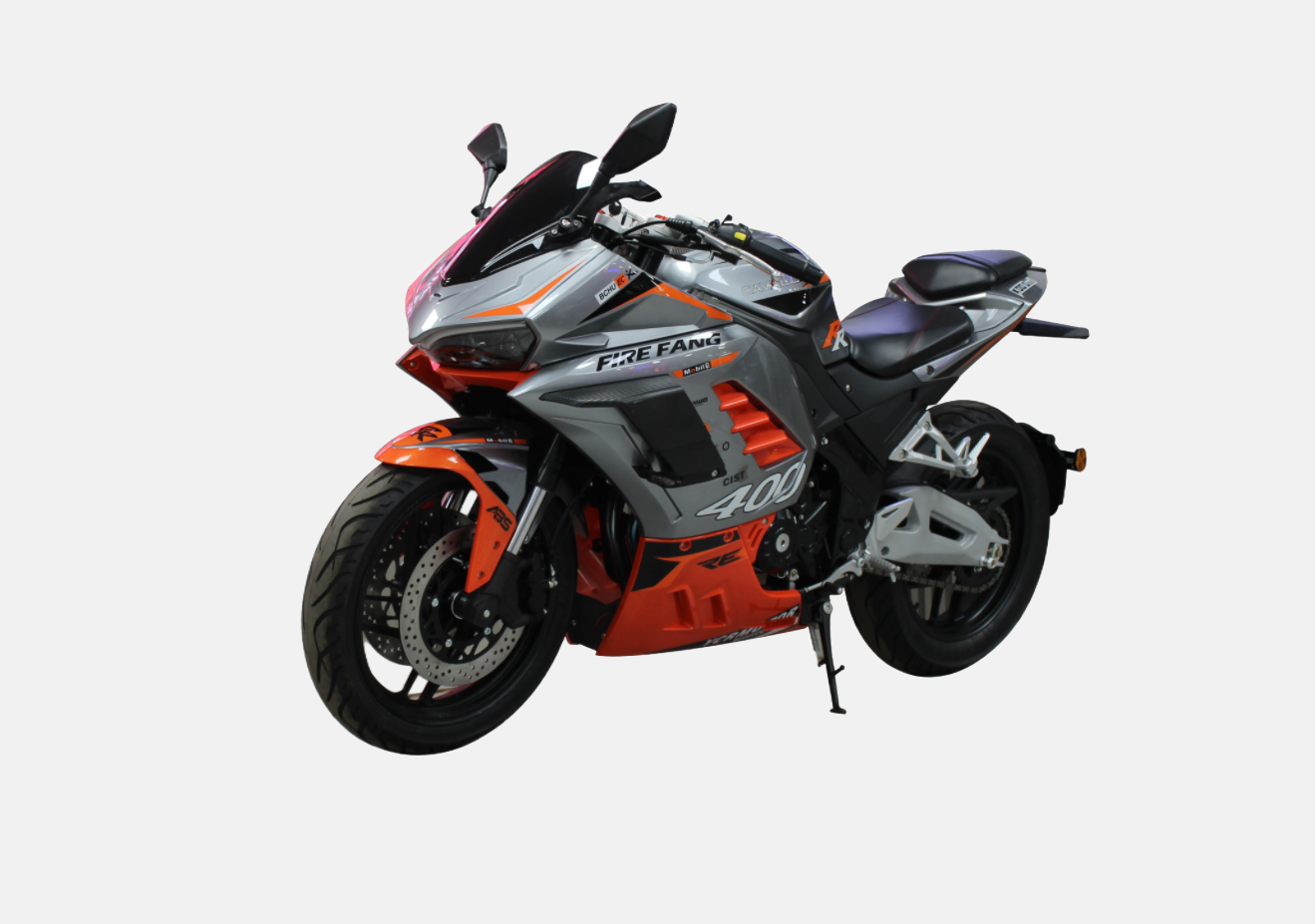
1. Define Your Motorcycle Requirements Before Contacting a Factory
The first step is to establish clear purchasing requirements. A factory can only provide an accurate recommendation and quotation when it understands what type of motorcycle you need.
Start by identifying the intended market and application. For example, motorcycles designed for urban transportation may have different requirements from models intended for highway riding, recreational use, or performance-oriented customers.
Important specifications may include:
-
Engine displacement
-
Engine type
-
Maximum power
-
Maximum torque
-
Transmission type
-
Fuel system
-
Cooling system
-
Fuel tank capacity
-
Wheel and tire specifications
-
Brake system
-
Suspension configuration
-
Seat height
-
Motorcycle dimensions
-
Net weight
-
Maximum speed
-
Lighting configuration
-
Instrument panel
-
Available colors
-
Optional accessories
If you are sourcing high-speed motorcycles for resale, you should also consider the preferences of your target customers. A motorcycle with strong acceleration may appeal to one market, while another market may place greater emphasis on fuel economy, comfort, styling, or long-distance usability.
Having a basic specification sheet before contacting manufacturers makes communication much more efficient.
2. Decide Between a Standard Model and a Customized Motorcycle
Factories usually offer different levels of customization. The simplest option is purchasing an existing production model with standard specifications.
This approach can be suitable when you want to:
-
Start selling quickly
-
Reduce development costs
-
Place a relatively straightforward bulk order
-
Use an established production platform
-
Avoid extensive engineering changes
For buyers with specific market requirements, OEM or customization may be more appropriate.
Customization can involve elements such as:
-
Body colors
-
Decals and graphics
-
Seat materials
-
Instrument displays
-
Lighting components
-
Exhaust configurations
-
Wheels
-
Accessories
-
Branding
-
Packaging
-
User manuals
-
Product labels
For example, a distributor may want high-speed motorcycle models with a specific color scheme and private branding for its local market.
However, customization should be discussed at the beginning of the project. Not every factory can support every modification, and some changes may affect tooling, production costs, minimum order quantities, or delivery schedules.
3. Find a Factory With Relevant Motorcycle Manufacturing Experience
Choosing the right factory is one of the most important parts of the purchasing process.
A company may describe itself as a motorcycle supplier, but that does not necessarily mean it has the manufacturing capabilities required for your project. Buyers should determine whether the supplier operates its own production facilities, works with partner factories, or primarily handles trading and distribution.
When evaluating a high-speed motorcycle manufacturer, look at its experience with similar models and production volumes.
Useful questions include:
-
How long has the factory been producing motorcycles?
-
What types of motorcycles does it manufacture?
-
What engine sizes does it produce?
-
What are its monthly production capabilities?
-
Does it provide OEM services?
-
Does it have its own assembly lines?
-
What quality control procedures are used?
-
Which countries does it export to?
-
Can it provide product documentation?
-
Can it support after-sales requirements?
Factory experience matters because motorcycle production involves many interconnected components. Engine assembly, frame production, electrical systems, braking components, suspension, body panels, and final assembly all need to work together consistently.
A manufacturer familiar with international orders is also more likely to understand packaging, export documentation, labeling, and market-specific requirements.
4. Request Detailed Product Information
Once you have identified suitable factories, request complete product information rather than relying only on photographs or a short product description.
A professional motorcycle supplier should be able to provide technical specifications for the models under consideration.
For high-speed motorcycles, pay particular attention to the relationship between engine output, motorcycle weight, transmission, chassis design, braking, tires, and suspension.
A useful product specification sheet should clearly distinguish between tested specifications, design specifications, and optional configurations.
For example, if a supplier states a maximum speed, ask how that figure was determined and under what conditions. Actual motorcycle performance can vary depending on rider weight, road conditions, temperature, load, tire condition, and other factors.
This is particularly important when comparing products from different manufacturers. Two motorcycles may have similar engine displacement but very different overall performance because of differences in engine tuning, gearing, weight, chassis configuration, and aerodynamics.
5. Ask for Samples Before Placing a Large Order
For a first-time factory relationship, ordering a sample or arranging a product inspection before committing to a large quantity can be a practical step.
A sample allows the buyer to evaluate the actual motorcycle rather than relying entirely on catalog information.
During a sample evaluation, consider checking:
Engine and transmission
Pay attention to starting behavior, throttle response, gear shifting, engine noise, vibration, and overall operating smoothness.
Braking system
Check braking response and control under appropriate test conditions. The brake configuration should match the intended motorcycle class and market requirements.
Suspension
Evaluate how the motorcycle behaves over different road surfaces and whether the suspension configuration matches its intended use.
Handling
Consider steering response, stability, rider position, and general control.
Fit and finish
Inspect paint quality, body panel alignment, fasteners, wiring, switches, seat construction, lighting, and instrument components.
Documentation
Check whether the factory can provide the technical information, labels, manuals, and other documents needed for your market.
A sample inspection can identify issues before they become problems across hundreds of motorcycles.
6. Confirm Minimum Order Quantity and Factory Pricing
After selecting a model, discuss the minimum order quantity, or MOQ.
Factories may have different MOQs depending on whether you are ordering a standard motorcycle or requesting customized production.
A standard model may have a relatively straightforward MOQ, while custom colors, private branding, special components, or packaging may require a larger quantity.
When requesting a quotation, ask the factory to separate major cost elements where appropriate.
The quotation may include:
-
Motorcycle unit price
-
Optional equipment
-
Customization charges
-
Packaging
-
Tooling or mold costs
-
Documentation
-
Spare parts
-
Shipping-related charges
-
Inspection costs
Do not compare factory quotations based solely on the unit price.
A lower initial price may not represent a lower total purchasing cost if another supplier provides better specifications, stronger quality control, more complete spare parts support, or more favorable packaging and logistics arrangements.
For wholesale high-speed motorcycles, the total landed cost is often more important than the factory price alone.
7. Confirm International Compliance and Documentation
Before placing an export order, determine what certifications and documents are required in the destination market.
Requirements vary significantly between countries and regions. Depending on the destination, buyers may need specific technical documentation, conformity information, emissions-related documentation, safety information, labeling, or registration-related documents.
Do not assume that a motorcycle approved for one market can automatically be sold in another.
Discuss these requirements with the factory before production begins.
Important documents may include:
-
Commercial invoice
-
Packing list
-
Certificate of origin
-
Product specifications
-
User manual
-
Warranty documentation
-
Export documentation
-
Relevant compliance certificates
-
Inspection records
-
Shipping documents
The exact requirements depend on the destination country and the type of motorcycle.
For importers, confirming compliance early is especially important because changing components after production has started can be expensive and may delay delivery.
8. Discuss OEM Branding and Customization in Detail
If you plan to sell motorcycles under your own brand, OEM cooperation should be discussed separately from the basic motorcycle order.
The factory may be able to customize:
-
Fuel tank graphics
-
Body decals
-
Seat branding
-
Packaging
-
Labels
-
User manuals
-
Accessories
-
Color combinations
-
Promotional materials
Before production, both sides should agree on exactly how the brand will appear on the motorcycle and packaging.
Artwork should be approved in writing before mass production. This avoids situations where a factory uses an outdated logo, incorrect color, or different graphic design.
For custom high-speed motorcycles, buyers should also clarify whether customization affects the motorcycle's specifications or only its appearance.
Engineering changes should receive additional technical review because modifications to important components can affect performance, reliability, compliance, or production consistency.
9. Confirm Production Lead Time
Production lead time should be agreed before the purchase order is finalized.
For standard models, the factory may already have components or production capacity available. Customized motorcycles can require additional time for component preparation, artwork confirmation, tooling, or production scheduling.
Ask the supplier to provide a realistic timeline covering:
-
Order confirmation
-
Deposit payment
-
Component preparation
-
Production
-
Assembly
-
Quality inspection
-
Packaging
-
Final payment
-
Shipment
Avoid planning inventory around an overly optimistic delivery estimate.
If you are preparing motorcycles for a seasonal market, allow additional time for shipping, customs clearance, and potential logistics disruptions.
10. Establish Quality Control Procedures
Quality control should be discussed before mass production, not after the motorcycles arrive.
A clear inspection process can help both the buyer and manufacturer understand what constitutes an acceptable product.
Depending on the order, quality control may include:
-
Incoming component inspection
-
Frame inspection
-
Engine testing
-
Electrical system testing
-
Brake inspection
-
Lighting inspection
-
Fastener checks
-
Appearance inspection
-
Road or performance testing where appropriate
-
Final assembly inspection
-
Packaging inspection
For bulk motorcycle orders, buyers can also arrange third-party inspection before shipment.
The inspection criteria should ideally be based on the agreed product specifications rather than subjective expectations.
This becomes particularly important for customized orders because the final motorcycles need to match the approved samples, drawings, specifications, and branding requirements.
11. Discuss Spare Parts and After-Sales Support
A factory order should not end when the motorcycles leave the production line.
For dealers and distributors, spare parts availability can have a direct effect on customer service.
Before ordering, ask the supplier about commonly required replacement components such as:
-
Brake components
-
Filters
-
Belts or chains
-
Cables
-
Electrical components
-
Switches
-
Mirrors
-
Lighting components
-
Body panels
-
Suspension components
-
Engine-related service parts
You should also understand the manufacturer's warranty policy.
Clarify:
-
Warranty period
-
Covered components
-
Claim procedures
-
Replacement parts policy
-
Technical support
-
Troubleshooting assistance
-
Responsibility for defective components
A supplier that can provide consistent spare parts support may make long-term distribution easier, especially when you are building a local motorcycle sales network.
12. Negotiate Payment Terms Carefully
Payment terms should be agreed in the sales contract or purchase agreement.
Common arrangements may involve a deposit before production and the remaining balance before shipment, although the exact structure varies by supplier and transaction.
Before transferring funds, make sure the commercial documents clearly identify:
-
Buyer and seller
-
Motorcycle model
-
Quantity
-
Unit price
-
Total value
-
Specifications
-
Customization requirements
-
Packaging
-
Production schedule
-
Payment terms
-
Inspection requirements
-
Warranty terms
-
Delivery terms
For a first order, keeping the commercial arrangement clear and documented is particularly important.
Do not rely only on informal messages when important specifications or contractual terms are involved.
Final Considerations When Ordering From a Motorcycle Factory
Ordering high-speed motorcycles directly from a factory can provide businesses with access to competitive production costs, product customization, OEM branding, and larger-scale supply capabilities. However, successful sourcing requires more than finding a motorcycle with an attractive appearance or a competitive quotation.
The most important part of the process is matching the motorcycle, factory capabilities, quality standards, compliance requirements, and supply conditions with your target market.
For dealers and distributors, it is worth evaluating the complete supply chain—from the first product inquiry and sample inspection to production, quality control, shipping, spare parts, and after-sales service. A clear purchasing specification and well-defined agreement can also reduce misunderstandings during mass production.
When comparing high-speed motorcycle manufacturers, look beyond the unit price and consider production experience, customization capability, quality management, export support, documentation, and long-term supply capacity. These factors can have a significant impact on the success of your motorcycle sourcing project.
For businesses looking to develop a long-term motorcycle product line, working with an experienced manufacturer can also make it easier to adapt models to different market requirements. With experience in motorcycle production and supply, Jilang Motorcycle provides high-speed motorcycle solutions for buyers seeking reliable products, flexible specifications, and factory-based cooperation. Contact Jilang Motorcycle to discuss your motorcycle requirements, OEM needs, and bulk order plans.
www.jilangmotor.com
jilangmotor
About Author
