How to Store Heavy-Duty Recovery Ropes-Tips for Maximum Durability
5 min readA heavy-duty recovery rope is one of the most essential tools in any off-road kit, roadside emergency bag, or professional recovery setup. Designed to provide exceptional strength, elasticity, and shock absorption, this rope performs reliably in mud, snow, sand, and a variety of demanding recovery situations. However, even the strongest rope will deteriorate prematurely if it is not stored and maintained correctly. Proper storage is just as important as proper use—both ensure safety, preserve performance, and extend the rope’s overall lifespan.
This comprehensive guide explains how to store your heavy-duty recovery rope properly for maximum durability. Whether you're an off-road enthusiast, a tow truck operator, or a professional rescue technician, the storage practices below will help protect your investment and ensure your rope is always ready for action.
1. Why Proper Storage Matters for Heavy-Duty Recovery Ropes
Heavy-duty recovery ropes are made from high-performance synthetic fibers such as nylon or UHMWPE. These materials are strong and flexible, but they are still vulnerable to:
-
Moisture and mold
-
UV degradation
-
Abrasion
-
Heat and chemical exposure
-
Knotting or compression damage
Improper storage accelerates wear and can weaken the rope’s core fibers, leading to dangerous failures during recovery operations. Storing your rope correctly:
-
Maintains its tensile strength
-
Preserves elasticity
-
Prevents premature fraying
-
Avoids internal fiber damage
-
Increases safety during vehicle recovery
-
Saves money by extending the rope’s service life
In short, good storage equals long-term performance and safety.
2. Clean Your Heavy-Duty Recovery Rope Before Storage
Before storing your rope, always clean it thoroughly. Dirt, mud, salt, sand, and oil can all damage fibers over time.
2.1 Rinse with Clean Water
Use clean water to rinse off mud, sand, and dust. Avoid using high-pressure washers because the strong water jet can damage rope fibers or force dirt deeper inside the rope braid.
2.2 Use Mild Soap for Heavy Contamination
If your rope has oil, grease, or salt exposure (common after beach recoveries), wash it with:
-
Mild, non-acidic soap
-
Rope-safe detergents
Avoid harsh chemicals, bleach, and solvents, which can weaken the rope.
2.3 Inspect While Washing
During cleaning, check for:
-
Cuts or frayed fibers
-
Abrasion marks
-
Discoloration
-
Stiff sections
-
Unusual thinning
-
If major damage is found, consider retiring the rope or using it only for light-duty tasks.
3. Dry the Rope Completely Before Storing It
Storing a wet recovery rope is one of the biggest mistakes users make. Moisture trapped inside rope fibers can lead to:
-
Mold and mildew growth
-
Fiber weakening
-
Bad odors
-
Reduced elasticity
3.1 Air Dry in a Shaded Area
Hang the rope or lay it flat in a shaded, well-ventilated space. Avoid sunlight, as UV rays can degrade nylon and other synthetic fibers.
3.2 Never Use Heat Sources
Do not speed-dry using:
-
Hair dryers
-
Heaters
-
Direct fire
-
Vehicle exhaust heat
High temperatures can melt or deform synthetic fibers, weakening the rope permanently.
4. Coil or Spool the Rope Properly
How you store the rope physically matters.
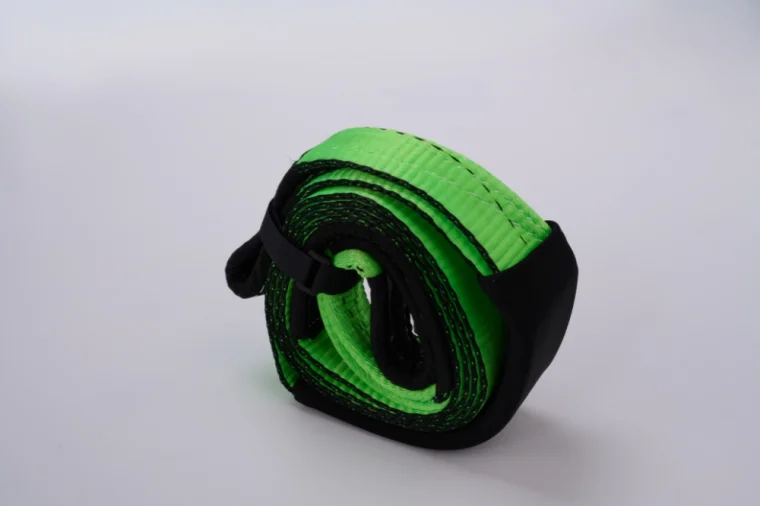
4.1 Use a Natural Coil
Wind the rope into a loose, natural coil following its inherent twisting direction. Twisting against the rope’s natural lay can cause internal stress on fibers.
4.2 Avoid Tight Knots
Never store the rope with tight knots. Knots create pressure points that can reduce the rope’s strength by up to 50%.
4.3 Use Rope Straps or Velcro Bands
After coiling, secure the rope using:
-
Hook-and-loop straps
-
Soft rope ties
-
Elastic bands
Avoid zip ties or anything that causes excessive compression.
5. Choose the Right Storage Location
Selecting the right place to store your heavy-duty recovery rope is critical.
5.1 Cool, Dry, and Ventilated Environment
Ideal storage conditions include:
-
Low humidity
-
Stable temperature
-
No direct sunlight
-
Proper air circulation
Good locations:
-
Garage shelves
-
Recovery gear storage cabinets
-
Climate-controlled gear lockers
-
Vehicle trunk storage bins
5.2 Avoid Heat Exposure
Keep rope away from:
-
Car engines
-
Radiators
-
Hot metal surfaces
-
Tools that may heat up
Heat weakens synthetic fibers and reduces lifespan.
5.3 Keep Away from Chemicals
Common garage chemicals can seriously damage recovery rope fibers:
-
Fuel
-
Oils
-
Grease
-
Solvents
-
Battery acid
-
Cleaning chemicals
Store the rope in a dedicated container to avoid accidental contamination.
6. Use a Rope Bag or Storage Case
For maximum protection, use a dedicated rope bag.
6.1 Benefits of a Rope Bag
A high-quality rope bag:
-
Protects from UV rays
-
Keeps out dust, dirt, and insects
-
Prevents accidental abrasion
-
Provides ventilation
-
Makes transport easier
6.2 Bag Features to Look For
Choose a rope bag with:
-
Breathable fabric
-
Drainage holes
-
Reinforced bottom
-
Corrosion-resistant zippers
-
Carrying handles
-
Labeling area
6.3 Store Accessories Separately
Do not store metal shackles inside the rope bag touching the rope. Metal edges can cause abrasion. Use a separate pouch.
7. Vehicle Storage Tips for Off-Roaders
If you keep your recovery rope inside your vehicle, additional precautions are needed.
7.1 Avoid Direct Sunlight Through Windows
UV rays passing through car windows can still weaken the fibers. Keep the rope inside a shaded container.
7.2 Protect from Temperature Swings
Vehicles in summer can reach over 60°C inside. Store the rope:
-
Under seats
-
Inside trunk compartments
-
Within insulated storage boxes
7.3 Prevent Sharp Object Contact
Make sure the rope is not pressed against:
-
Recovery boards
-
Tools
-
Screwdrivers
-
Spare parts
Abrasion during driving vibrations can damage fibers over time.
8. Long-Term Storage Guidelines
If you won’t use your rope for several months:
8.1 Loosen the Coil
Allow the rope to rest in a loose coil to relieve tension.
8.2 Inspect Every Few Months
Check for:
-
Moisture buildup
-
Mold
-
Insect nests
-
Temperature-related degradation
8.3 Refresh Storage Environment
Replace desiccant packs or ventilation aids if needed.
9. Things You Should Never Do When Storing Your Recovery Rope
To maximize durability, avoid these common mistakes:
-
Storing the rope wet
-
Leaving it in direct sunlight
-
Keeping it in a sealed plastic bag with no ventilation
-
Placing heavy objects on top of it
-
Storing it next to chemicals or fuel
-
Using tight knots
-
Compressing the rope for long periods
-
Putting it near sharp tools
-
Leaving it loose in the truck bed where it can bounce around
10. How Long Can a Heavy-Duty Recovery Rope Last?
With proper use and storage, a high-quality heavy-duty recovery rope can last:
-
5–7 years for frequent off-road users
-
7–10 years or more for occasional users
However, lifespan depends heavily on:
-
Usage frequency
-
Recovery conditions
-
Cleaning habits
-
Storage methods
Proper storage alone can add years of life to your rope.
11. Final Tips for Maximum Durability
To ensure your rope remains safe and reliable:
-
Clean after each use
-
Dry fully before storing
-
Use a breathable rope bag
-
Keep away from heat, chemicals, and sunlight
-
Inspect regularly
-
Store accessories separately
-
Coil properly to avoid fiber stress
These steps not only protect the rope but also ensure consistent performance during real recovery scenarios when safety matters most.
Conclusion
Your heavy-duty recovery rope is more than just an accessory—it’s a critical safety tool that can save vehicles, prevent accidents, and support difficult recovery operations. Storing it properly is one of the simplest yet most effective ways to maximize its lifespan and maintain peak performance.
By following the storage techniques outlined in this guide—from cleaning and drying to using proper storage bags and choosing the right environment—you can significantly extend your rope’s durability and ensure it remains dependable whenever you need it
www.reliablesling.com
reliablesling
About Author
