Safety Precautions When Operating an Oil‑Free Compressor
5 min readOil‑free compressors have become increasingly popular across industries due to their clean operation, reduced maintenance needs, and suitability for sensitive environments such as pharmaceuticals, food production, and medical facilities. Unlike oil-lubricated compressors, these units do not rely on oil for internal lubrication, eliminating the risk of oil contamination in the compressed air. However, despite their many advantages, oil‑free compressors require careful handling and adherence to safety precautions to ensure optimal performance and operator safety. This article explores key safety measures, best practices, and operational guidelines for using oil‑free compressors safely and effectively.
Understanding Oil‑Free Compressors
Before discussing safety precautions, it is important to understand the basics of oil‑free compressors. These devices operate without oil in the compression chamber, often using technologies such as dry screw, scroll, or piston designs to minimize friction and heat. While the absence of oil reduces contamination and maintenance needs, it does not make the equipment inherently risk-free. Operators must still consider factors such as pressure, temperature, electrical components, and environmental conditions when using these machines.
Oil‑free compressors are commonly used in applications where air purity is critical. This includes hospitals, dental clinics, laboratories, and cleanrooms in pharmaceutical manufacturing. Their maintenance routines differ from oil-lubricated compressors, but safety considerations remain equally important.
1. Proper Installation Is Critical
The first step in ensuring safe operation is proper installation. An oil‑free compressor must be installed according to the manufacturer’s specifications, including:
-
Stable foundation: Compressors generate vibration during operation. A level, solid surface prevents excessive movement that could lead to mechanical failures.
-
Adequate ventilation: Oil‑free compressors rely on air cooling to dissipate heat. Ensure the installation area has sufficient airflow to prevent overheating.
-
Electrical safety: Verify that the electrical supply matches the voltage and current specifications. Improper wiring can cause electrical hazards or damage the compressor.
-
Distance from flammable materials: Even though oil-free compressors do not use oil, friction and heat can still ignite combustible materials. Keep the compressor in a clean, well-ventilated area.
Proper installation minimizes the risk of accidents during operation and reduces the likelihood of equipment breakdowns.
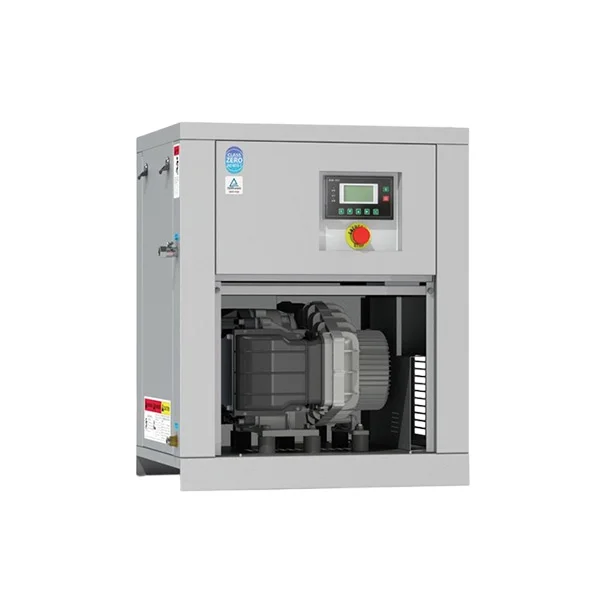
2. Regular Inspection Before Use
Daily or weekly inspections are essential to identify potential safety hazards. Key areas to check include:
-
Air filters: Clean or replace clogged air filters to prevent overheating and reduce the risk of reduced airflow.
-
Pressure relief valves: Ensure that safety valves are functional to avoid dangerous overpressure situations.
-
Electrical connections: Inspect wiring and connections for signs of wear, fraying, or corrosion.
-
Compressor housing: Look for cracks, dents, or other physical damage that could compromise safety.
Neglecting routine inspections increases the risk of operational failures, which may result in accidents or costly downtime.
3. Follow Proper Start-Up and Shut-Down Procedures
Starting and shutting down an oil‑free compressor incorrectly can cause mechanical stress or safety incidents. Standard procedures include:
-
Pre-start checks: Verify that all inspection points are clear, air filters are clean, and the compressor is in a well-ventilated area.
-
Gradual pressure increase: Avoid sudden pressure spikes, which can strain components or trigger safety mechanisms.
-
Cool-down period: Allow the compressor to cool before shutting it off completely, especially in high-demand operations.
-
Safe depressurization: Always release residual pressure in the system before maintenance or disassembly to prevent injury.
Consistently following start-up and shut-down protocols protects both the operator and the compressor.
4. Use Personal Protective Equipment (PPE)
Even though oil‑free compressors produce clean air, operators should still use appropriate personal protective equipment (PPE). Recommended PPE includes:
-
Safety goggles: Protect eyes from accidental debris or high-pressure air bursts.
-
Gloves: Heat-resistant gloves prevent burns from hot surfaces, especially near air outlets.
-
Hearing protection: Some compressors produce high noise levels; ear protection prevents long-term hearing damage.
-
Protective clothing: In industrial environments, protective gear minimizes exposure to moving components or accidental air discharge.
Proper PPE is a simple yet effective way to reduce injury risk during daily operations.
5. Avoid Overloading the Compressor
Operating an oil‑free compressor beyond its recommended pressure or duty cycle can lead to mechanical failure or safety hazards. Operators should:
-
Adhere to manufacturer-specified maximum pressure levels.
-
Avoid continuous operation beyond the duty cycle to prevent overheating.
-
Use pressure regulators and gauges to monitor airflow and pressure constantly.
-
Ensure connected tools or machinery are compatible with the compressor's pressure output.
Overloading not only reduces the lifespan of the compressor but can also create dangerous working conditions.
6. Proper Maintenance Practices
Although oil‑free compressors require less maintenance than oil-lubricated models, neglecting essential upkeep can compromise safety. Recommended practices include:
-
Filter replacement: Air and intake filters should be cleaned or replaced regularly to prevent overheating and maintain airflow.
-
Belt inspection (if applicable): Check belts for wear or slack to prevent unexpected mechanical failure.
-
Cooling system checks: Ensure fans or cooling channels are unobstructed.
-
Electrical component servicing: Inspect motors, wiring, and control panels periodically to avoid electrical hazards.
Using manufacturer-recommended parts and adhering to maintenance schedules significantly reduces safety risks.
7. Safe Handling of Compressed Air
Compressed air itself is a potential hazard. High-pressure air can cause serious injury if misused. Operators must:
-
Never point compressed air at people or animals.
-
Avoid using compressed air to clean clothing or skin.
-
Use proper connectors and hoses rated for the compressor’s pressure.
-
Release pressure slowly when disconnecting tools or hoses.
Even oil‑free compressors can generate dangerous air velocities capable of causing injury, so proper handling is essential.
8. Training and Operational Awareness
Human error is one of the leading causes of compressor-related accidents. Proper training ensures safe operation:
-
Train all personnel on start-up, shut-down, and emergency procedures.
-
Educate operators on the compressor’s specific features, safety valves, and alarm systems.
-
Encourage awareness of unusual noises, vibrations, or overheating signs as early indicators of potential hazards.
An informed operator is the first line of defense against accidents.
9. Emergency Preparedness
Despite following all precautions, emergencies may still occur. Prepare for these scenarios by:
-
Keeping a fire extinguisher and first aid kit nearby.
-
Posting emergency shut-off instructions near the compressor.
-
Ensuring clear access to exits and ventilation systems.
-
Conducting regular safety drills in industrial or lab environments.
Being prepared for emergencies can prevent injuries and minimize damage.
10. Environmental Considerations
Even though oil‑free compressors are cleaner than oil-lubricated units, environmental factors affect safety:
-
Keep the compressor in a dry area to avoid corrosion or electrical hazards.
-
Avoid dusty or contaminated environments that could clog filters or interfere with operation.
-
Maintain appropriate ambient temperature as extreme heat or cold can affect mechanical components.
Considering environmental factors ensures both operational efficiency and safety.
Conclusion
Oil‑free compressors are indispensable in industries that require clean, reliable compressed air. However, their safe operation depends on strict adherence to installation guidelines, routine inspections, proper start-up and shut-down procedures, appropriate personal protective equipment, and regular maintenance. Operators must remain vigilant about overloading, safe handling of compressed air, training, and emergency preparedness.
By implementing these safety precautions, businesses can ensure optimal performance, extend the lifespan of their oil‑free compressors, and maintain a safe working environment for all personnel. Remember, even oil‑free does not mean risk-free — proper care, awareness, and adherence to safety protocols are essential for every compressor operator.
www.glcompressor.com
glcompressor
About Author
