Single-Channel vs Dual-Channel Infrared Teaching Systems: Which Is Better?
2 min readInfrared teaching systems are widely used in classrooms, lecture halls, training centers, and other educational environments. When choosing an infrared teaching system, one important consideration is whether to use a single-channel or dual-channel configuration. Understanding the differences can help schools and institutions select a solution that matches their teaching needs.
What Is a Single-Channel Infrared Teaching System?
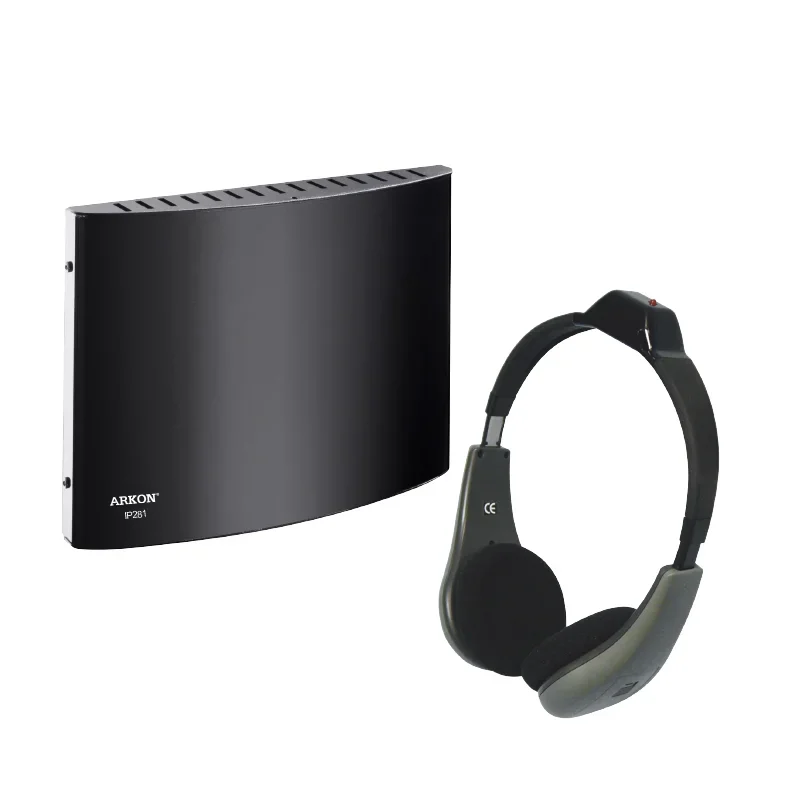
A single-channel infrared teaching system uses one audio transmission channel to send the instructor's voice to the receiver. It is a straightforward solution for standard classroom teaching where only one speaker needs to communicate at a time.
This type of system is generally easier to operate and can be suitable for smaller classrooms, basic teaching applications, and environments where simultaneous communication is not required.
What Is a Dual-Channel Infrared Teaching System?
A dual-channel infrared teaching system provides two independent audio channels. This allows two different audio sources to be transmitted separately, providing greater flexibility for interactive teaching and multi-user communication.
For example, one channel can be used for the teacher while another is assigned to a student, assistant, or additional audio source. This can be especially useful in language classrooms, multimedia training, and interactive educational environments.
Key Differences
The main difference between the two systems is the number of independent audio channels. Single-channel systems focus on simplicity and basic voice transmission, while dual-channel systems provide greater flexibility and support more complex teaching scenarios.
When selecting between them, schools should consider classroom size, the number of users, teaching methods, and whether simultaneous or independent audio communication is needed.
How to Choose the Right System
For traditional teaching environments with straightforward audio requirements, a single-channel infrared system may provide a practical and cost-effective solution. For interactive classrooms and applications requiring multiple audio sources, a dual-channel system can offer greater versatility.
It is also important to consider infrared coverage, sound quality, system compatibility, installation requirements, and ease of operation before making a final decision.
Conclusion
Both single-channel and dual-channel infrared teaching systems have their own advantages. The right choice depends mainly on the teaching environment and communication requirements. By evaluating these factors carefully, educational institutions can select an infrared teaching solution that improves communication and creates a better learning experience.
www.arkon.com.hk
ARKON
About Author
